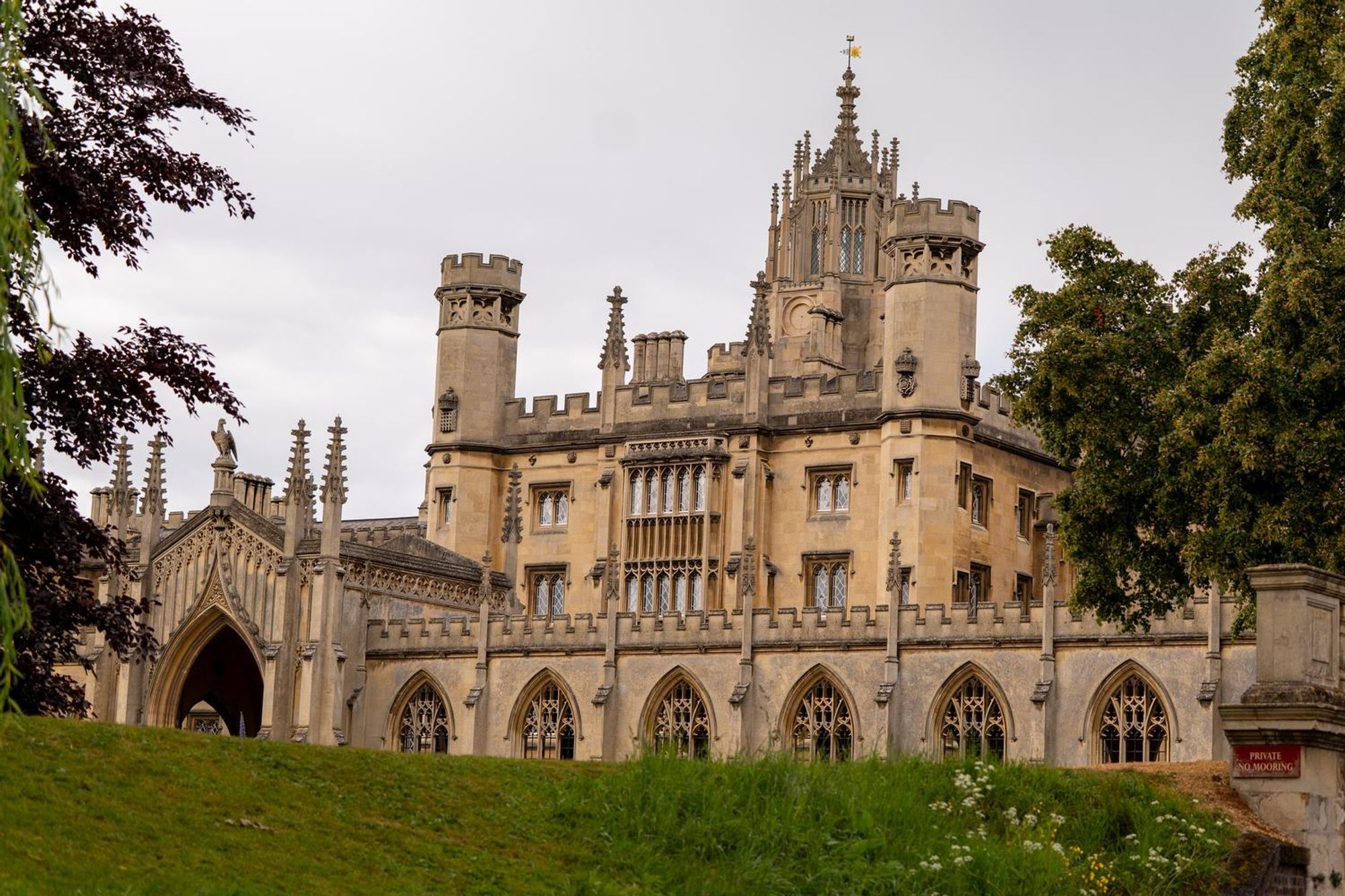
Cambridge Moves at a Different Speed
The streets are narrower than Oxford's, the city smaller, the river slower. Bicycles outnumber taxis. The colleges reveal themselves quietly — not at the end of grand avenues but through gaps between buildings, around corners, at the bottom of lanes you almost didn't take. There is an unhurriedness here that feels intentional. As if Cambridge knows that the work it has always been most serious about cannot be rushed.
It suits the place perfectly. Because the work Cambridge has done for faith is the quiet kind — the kind done in libraries and over manuscripts and in long scholarly conversations that most people never hear about, and that changed everything anyway.
Erasmus worked here in the early 16th century, producing the Greek New Testament that William Tyndale would use to put Scripture into English hands for the first time. A group of reform-minded scholars gathered in secret at a tavern they nicknamed "Little Germany" and lit the fuse for the English Reformation. The Puritan graduates of Emmanuel College sailed for New England and founded Harvard, Yale, and a pattern of Christian education that shaped an entire civilization. And Tyndale House — on a quiet residential street a short walk from the city center — carries that inheritance today as one of the world's leading centers for biblical scholarship, where serious people are still doing that work, right now.
The other thing Cambridge does is sing. Evensong at King's College Chapel — the Psalms rising into the fan vaulting as they have for five hundred years — is one of the most purely devotional experiences available anywhere in the English-speaking world. It requires nothing of you except to arrive, sit down, and listen.
Cambridge rewards exactly that.
"Your word I have hidden in my heart, that I might not sin against You." (Psalm 119:11)
The Story of Cambridge
Cambridge began as a market town and became a university city almost by accident — a group of scholars fled Oxford around 1209 after a dispute with the townspeople and settled here instead. They stayed. Within decades, Cambridge was one of the leading centers of learning in medieval Europe, and within centuries it had trained more significant figures in the history of Christianity than perhaps any institution in England outside the church itself.
What happened in Cambridge is a particular kind of story. It is not primarily the story of martyrdom or dramatic conversion — those belong to Oxford and London. It is the story of the text: of what happens when brilliant, faithful people decide that Scripture deserves to be studied with the full force of human intelligence, and that the ordinary person deserves to have it in their own language.
Tyndale worked here. Cranmer studied here. Latimer and Ridley studied here. The architects of the English Reformation were, in extraordinary proportion, Cambridge men — formed by its libraries, sharpened by its debates, and sent out into a world that was not ready for what they were about to do.
The story did not stop with the Reformation. Cambridge kept producing people who took the text seriously and let it change them — and through them, change the world. It is still doing it. Walk through its gates knowing that.
The Faith of Cambridge
Erasmus and the Greek New Testament
In 1511, one of the most brilliant scholars in Europe arrived in Cambridge almost reluctantly. Desiderius Erasmus, a Dutch humanist theologian and the most famous intellectual of his age, accepted an invitation to teach at Queens' College while working on what would become his most consequential project: a new edition of the New Testament in Greek.
Erasmus had a fundamental conviction — that the Latin Vulgate Bible, which the Western church had used for over a thousand years, contained errors introduced by imperfect translation and centuries of copying mistakes. He believed that returning to the original Greek text would produce a more accurate, more powerful Scripture. He was right.
In 1516, Erasmus published his Greek New Testament — the first time the New Testament had been printed in Greek. It came with a parallel Latin translation that corrected hundreds of Vulgate errors. The Latin the church had been reading was not always what the Greek said. The implications were profound.
Within a decade, a young Cambridge scholar named William Tyndale had used Erasmus's Greek text to produce the first printed English New Testament. The chain is direct: Erasmus's scholarship in Cambridge led to Tyndale's translation, which led to the English Bible, which led to the Bible you read today.
Erasmus lived in a set of rooms in the tower at Queens' College that still bears his name. The rooms are not open to general visitors, but the tower is visible from the Queens' College grounds. Standing near it and knowing what was written there changes the walk.
The White Horse Inn and "Little Germany"
In the 1520s, a group of Cambridge scholars began meeting at a tavern near King's Parade. The tavern was called the White Horse Inn. The scholars called it "Little Germany" — because what they were reading and discussing there had come from Germany, and the English church considered it dangerous.
What they were reading was Martin Luther. His writings were officially banned in England and burned publicly. Getting caught with them was a serious matter. The scholars met in the back room anyway.
Among the regulars at the White Horse: William Tyndale, Thomas Cranmer, Hugh Latimer, and Nicholas Ridley. Four men who would become the architects of the English Reformation. Three of them would be burned at the stake in Oxford. All of them had their convictions formed, deepened, or confirmed in that back room in Cambridge.
The White Horse Inn no longer stands. A plaque marks the general area near the south side of King's Parade.
What happened in that room was not dramatic, at least not to look at. Scholars read books. They talked. They disagreed and refined their thinking. But the conversation in that back room was the intellectual seedbed for everything that followed — the English Bible, the Reformed liturgy, the Protestant martyrs.
Most great things begin this way: a small group of people, reading seriously, in a room almost no one knows about.
Emmanuel College and the Founding of America
In 1584, Sir Walter Mildmay founded Emmanuel College with an explicit purpose. He told Queen Elizabeth I that he had built a college to "render as many persons as possible fit for the sacred ministry of the Word." The college was, from its first days, a training ground for Puritan ministers — men who believed that the English Reformation had not gone far enough and that the church needed to be reformed more thoroughly according to Scripture.
Elizabeth I was suspicious of his intentions. "Sir Walter," she reportedly said when he came to court after the founding, "I hear you have erected a Puritan foundation." "No, madam," Mildmay replied, "far be it from me to countenance anything contrary to your established laws. But I have set an acorn, which when it becomes an oak, God alone knows what will be the fruit thereof."
The fruit was extraordinary. Over the following decades, approximately one hundred Emmanuel graduates emigrated to New England — forming a disproportionate share of the founders of the Massachusetts Bay Colony. Among them was John Harvard, an Emmanuel graduate who died in 1638 at the age of thirty and left his personal library of 400 volumes and half of his estate to a new college being founded in Cambridge, Massachusetts. The college was named after him. It became Harvard University.
Yale, Princeton, Dartmouth, and most of the other original American colleges were founded by men shaped by this same Cambridge Puritan tradition — men who believed that education and faith belonged together, that the life of the mind was a gift from God to be used in His service, and that the founding of schools was an act of Christian stewardship.
The next time you see a Harvard crest, remember: it reads "Veritas" — truth — and it was designed by men who believed truth had a source and a name. Emmanuel College is where that conviction was formed.
Charles Simeon and Holy Trinity Church
Charles Simeon arrived at King's College Cambridge as a student in 1779 and was required, as all students were, to take communion at the college chapel. He had never taken it seriously before. Preparing for the service, he read a devotional book that asked: "Who was it that bore the sin of the world?" and then answered: "It was Jesus Christ."
The question stopped him. He wrote later that he had, for the first time, understood what it meant that Christ had borne his sin. He was transformed. He went on to become the vicar of Holy Trinity Church in Cambridge — a position he held for fifty-four years, until his death in 1836.
Simeon's fifty-four years at Holy Trinity changed the shape of evangelical Christianity in England. He preached expository sermons — preaching that worked through the biblical text verse by verse, taking Scripture seriously as the actual word of God rather than a source of nice illustrations for moral talks. He mentored generations of Cambridge students, gathering them in his rooms for what he called "conversation parties" — extended discussions about Scripture, ministry, and the life of faith.
He was closely connected with William Wilberforce and the Clapham Sect, and he helped found the Church Missionary Society in 1799. His influence on the evangelicalism that shaped 19th-century England — and through that, the evangelical movements that spread to America and beyond — was immense.
Holy Trinity Church on Market Street still holds services. It is worth visiting specifically because of Simeon — and worth attending on a Sunday if your trip includes one.
Tyndale House Today
On Selwyn Gardens, a quiet residential street about fifteen minutes' walk from the city center, sits a building that may be doing more for the credibility of Scripture in the 21st century than any other institution in England.
Tyndale House is a residential research centre dedicated entirely to the scholarly study of the Bible. Scholars from universities around the world — Old and New Testament specialists, textual critics, archaeologists, linguists — come here to work in the library, engage with each other's research, and do the serious, painstaking work of understanding what the biblical text actually says and what it meant in its original context.
It is named for William Tyndale, who gave his life to put Scripture into ordinary hands. What Tyndale House does is ensure that those ordinary hands are holding something that has been studied carefully, translated faithfully, and defended honestly against every challenge to its reliability. It is apologetics in the form of scholarship — not argument for its own sake, but the quiet, rigorous pursuit of truth.
The Warden of Tyndale House, Dr. Peter J. Williams, is one of the world's leading authorities on the Greek New Testament and the history of Bible translation. The Logos Program includes a session with him as one of its anchor experiences — a conversation about the text, its transmission, and why it can be trusted, held in the library where that work is actually being done.
Access to Tyndale House requires arrangement in advance. It is not a tourist destination — it is a working research centre. But it is one of the most quietly extraordinary places you can visit in England if faith and Scripture matter to you.
Evensong and the Living Tradition
Every day, in Cambridge's college chapels, the Psalms are sung.
Not performed — sung, as an act of worship, by choirs who have been doing this for centuries. The tradition of choral Evensong is one of the living inheritances of the English Reformation: a service built almost entirely from Scripture, set to music, offered to God, and open to anyone who walks in.
King's College Chapel is the most famous venue — the Christmas Eve Carol Service broadcast from here every year reaches audiences of millions worldwide. But Evensong is not primarily a performance. Attending it at King's, or at Clare College, or at Great St. Mary's is one of the most purely formational experiences this guide can recommend. You sit. The choir sings the Psalms. The reader reads Scripture. The congregation prays. It takes about forty-five minutes.
The words are the same words Christians have been hearing together for five hundred years. The building has been standing for that long. The practice is living — not recreated, not nostalgic, not theatrical. Living.
If you visit Cambridge and attend one service, make it this one.
Walking Cambridge
Cambridge is one of the most walkable cities in England. The colleges are close together, the streets are flat, and the River Cam provides a natural navigational spine. These three routes cover the ground from three different angles — historical, contemplative, and restorative.
The Scholar's Route — Faith and the Text (approx. 50 minutes)
The faith-history walk. Begin here on your first morning.
1. The Round Church (Church of the Holy Sepulchre, Bridge St)
The oldest of only four surviving round churches in England, built around 1130 by the Knights of the Holy Sepulchre and modeled on the Church of the Holy Sepulchre in Jerusalem. Its age is visible in every stone. The Cambridge Inter-Collegiate Christian Union now runs a visitor centre here that traces the history of Christianity in Cambridge — a good orientation for the rest of the walk. Give it thirty minutes.
2. Great St. Mary's Church (King's Parade)
The University Church, at the very center of Cambridge. Erasmus preached here. Cranmer's early Reformation-era reforms touched its worship. Climb the tower for the best view of the city: King's College Chapel to the south, the college rooflines spreading in every direction. Open daily.
3. King's Parade — Site of the White Horse Inn (near King's College main gate)
A plaque near the south side of King's Parade marks the general area of the White Horse Inn — "Little Germany" — where Tyndale, Cranmer, Latimer, and Ridley gathered to read Luther in secret. The inn is long gone. The significance is not. Stand here and consider: the English Bible, the English Reformation, and three men burned in Oxford all have a thread that leads back to this pavement.
4. King's College Chapel (King's Parade)
Enter if open — the fan vaulting alone is worth the admission. The Rubens painting "The Adoration of the Magi" behind the altar is one of the greatest works of art in England. The original 16th-century stained glass windows survived the Civil War because Cromwell used Cambridge as a military headquarters and protected the city. Return here for Evensong in the late afternoon if your timing allows.
5. Queens' College — The Erasmus Tower (Silver St)
Enter through the Porter's Lodge. The tower where Erasmus lived and worked during his Cambridge years is visible from the medieval First Court. His rooms are not open to the public, but standing in the court and knowing what was written in that tower — the Greek New Testament that started everything — makes the view worth the entrance fee.
6. Emmanuel College (St Andrew's St)
The college that sent Puritans to New England and whose graduates founded Harvard. Enter through the front gate and find the chapel — built by Christopher Wren. In the entrance to the chapel building, a plaque commemorates John Harvard and the Emmanuel graduates who shaped early America. It is a small plaque in a quiet corner, and it connects this courtyard to a continent.
The Backs and River Walk — Beauty and Contemplation (approx. 40 minutes)
The contemplative walk. Best in the morning or late afternoon light.
"The Backs" is the name given to the rear gardens of Cambridge's colleges along the River Cam — a stretch of lawn, willow trees, and stone bridges that is one of the most beautiful settings in England. There is no faith history in this walk specifically, but there is something the walk does that the Scholar's Route does not: it gives you space to be quiet with what you've seen.
Begin at Magdalene Bridge and walk south along the river path. Pass the back gardens of St. John's College — the Bridge of Sighs connects two parts of the college over the water. Continue past Trinity College, where Isaac Newton's apple tree (or a recognized descendant of it) grows in the Fellows' Garden. Pass Clare College Bridge, one of the most elegant bridges in England. Continue past King's College to Queens', where the famous Mathematical Bridge — originally built without nails, according to legend — crosses the Cam.
Punting on the Cam is available from Silver Street Bridge and other hire points. An hour on the river is a different kind of Cambridge entirely.
The Grantchester Meadows Walk — Unhurried and Restored (approx. 45–60 minutes one-way)
A longer walk for an afternoon with room in it. End with tea at The Orchard.
From Silver Street Bridge, follow the riverside footpath south along Grantchester Meadows — a flat, open stretch of water meadow alongside the Cam that has been walked by Cambridge students and scholars for centuries. Rupert Brooke, E.M. Forster, and many others associated with Cambridge's intellectual life walked this path and wrote about it.
The village of Grantchester is at the far end. The Orchard Tea Garden has been serving tea under apple trees since 1897, when students began asking the owner's daughter to bring refreshments to them in the orchard rather than the house. She agreed. The practice continued. Come for tea and stay for as long as your afternoon allows.
Return to Cambridge by bus from the village, or by taxi if the walk in was enough.
Site Spotlights
Key sites in Cambridge worth seeking out on your own:
- Tyndale House
- King's College Chapel and Evensong
- The Round Church — Cambridge's Christian Heritage Centre
- Holy Trinity Church — Charles Simeon
- Emmanuel College — The Harvard Connection
- Queens' College — Erasmus's Tower
- Cambridge University Library — The Codex Bezae
Where to Stay
Premium Collection: University Arms Hotel, Autograph Collection
Regent St, Cambridge CB2 1AD
The finest address in Cambridge, on Regent Street overlooking Parker's Piece — the large open common that has been the heart of Cambridge civic life since the 16th century. The hotel was originally built in 1834 and has been beautifully restored without losing its character. Walking distance to every site on the Scholar's Route. The kind of hotel that makes arriving in a city feel like the trip has already begun.
universityarms.com | +44 1223 606066
Dining
Cambridge rewards eating slowly, in rooms that have seen a lot of history.
The Orchard Tea Garden — 47 Mill Way, Grantchester
Not the most convenient of Cambridge's dining options — it requires the Grantchester Meadows walk to reach properly — but it is the most Cambridge of them. Tea, scones, and cake under apple trees in a village that looks roughly the same as it did a century ago. A kind of meal that belongs to the afternoon rather than the hour.
Fitzbillies — 51–52 Trumpington St
Cambridge's most beloved bakery and café, operating since 1921. Famous for its Chelsea buns — sticky, sweet, and made to a recipe the owners have never published. Breakfast or lunch here is a Cambridge institution. There are two locations; the Trumpington Street original is the one.
The Eagle — 8 Bene't St
Cambridge's oldest pub, dating from the 14th century. Watson and Crick announced the discovery of the DNA double helix here in 1953 — the ceiling of the RAF bar is covered in signatures and insignia left by Allied aircrew during the Second World War, some written in candle smoke, some in lipstick. Simple food, deep history, and a central location that makes it an easy stop on any walk.
Parker's Tavern — University Arms Hotel, Regent St
The restaurant inside the University Arms, designed by Tristan Welch with a menu built around British seasonal ingredients. Worth a dinner or a long Sunday lunch, especially if you are staying at the hotel.
Smokeworks — 2 Free School Ln
For something straightforward and excellent: American-style smoked meats in a basement off King's Parade. No faith connection, but reliably good and a useful counterpoint to the formality of some of Cambridge's other dining rooms.
A Moment for the Journey
Evensong takes about forty-five minutes. It begins with a procession. The choir sings the Psalms antiphonally — half the choir singing a verse, the other half answering. There is a Scripture reading. There are prayers, spoken and sung. It ends quietly.
Almost nothing that happens in the service is new. The words were written thousands of years ago. The music was composed hundreds of years ago. The building has been standing for five centuries. The practice of gathering to sing the Psalms together predates the building, the music, and the English language in which it is done.
And yet — or perhaps because of all of that — something happens in it. The accumulation of all those voices, in all those years, in that space, singing those words, reaches you. Not as information. Not as argument. As formation.
Cambridge has always understood something that is easy to miss in an age of productivity: that faithfulness is not only about what you decide, or what you do, or what you achieve. It is also about what you absorb — slowly, repeatedly, over time — until the words you have been hearing finally find their way inside, and you are quietly, permanently changed.
Come to Evensong. Sit still. Let it work.
"Be still, and know that I am God." (Psalm 46:10)
Experience Cambridge with Inspire
Cambridge gives generously to the visitor who arrives curious and unhurried. This guide is built to help you find what most people miss — the plaque on King's Parade, the tower at Queens', the chapel at Emmanuel — and to understand why it matters.
But there are doors in Cambridge that do not open to the general public.
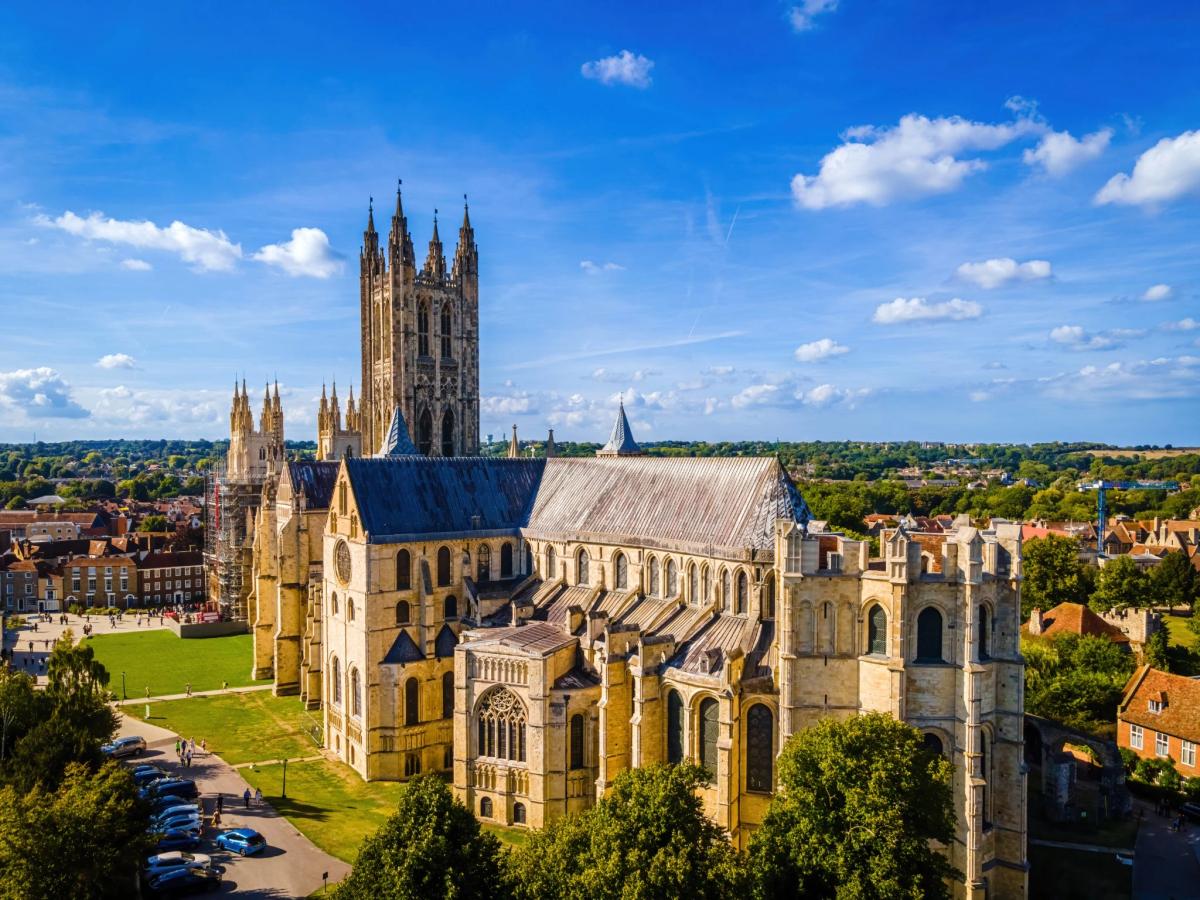
A fifteen-day pilgrimage through Ireland, Scotland, and England, following the saints, sites, stones, and stories of our Celtic and Anglican Christian heritage. Hosted by The Episcopal Church of the Transfiguration, Vail Valley, and led by Father Brooks Keith with special guest the Rev. Canon C.K. Robertson, Ph.D.
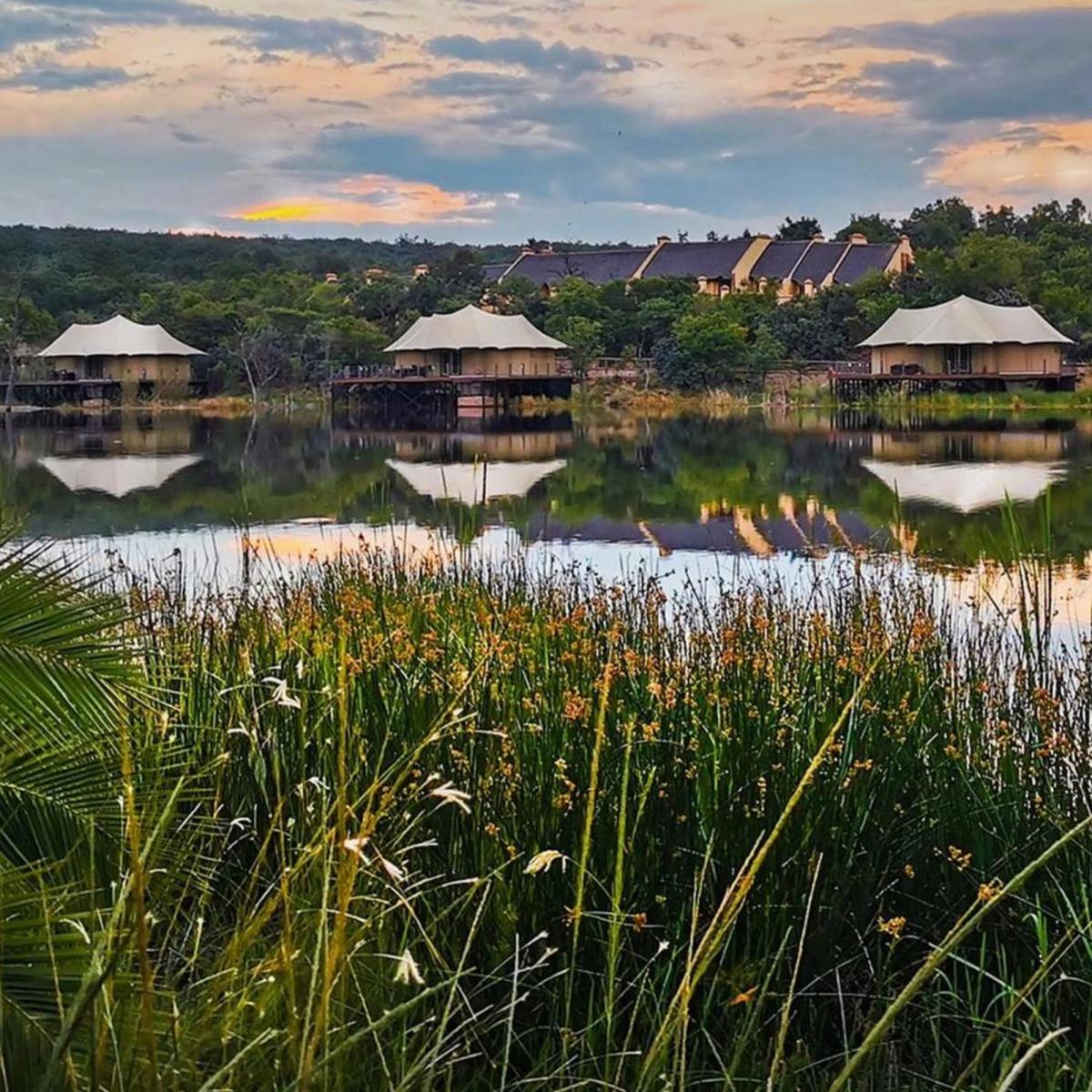
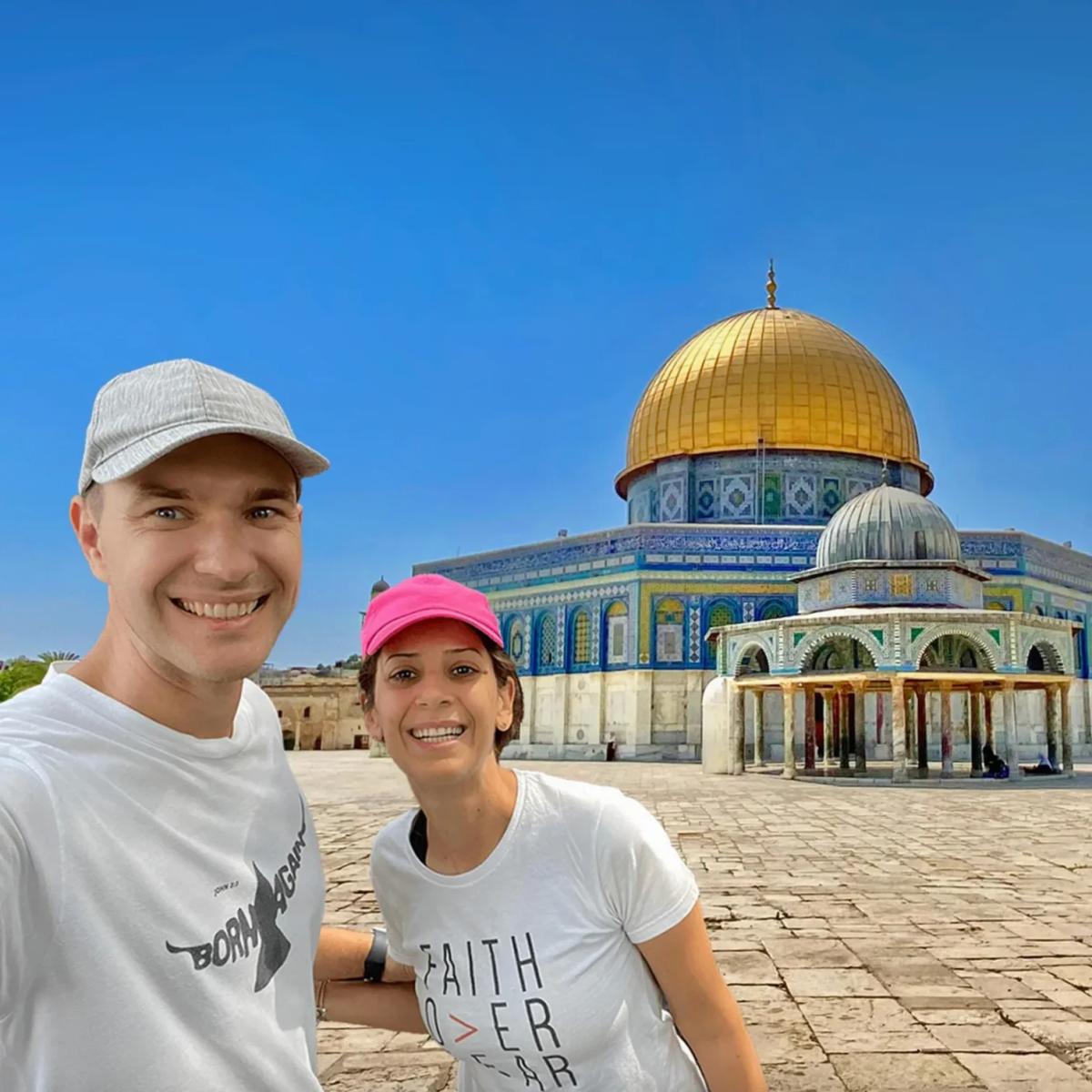
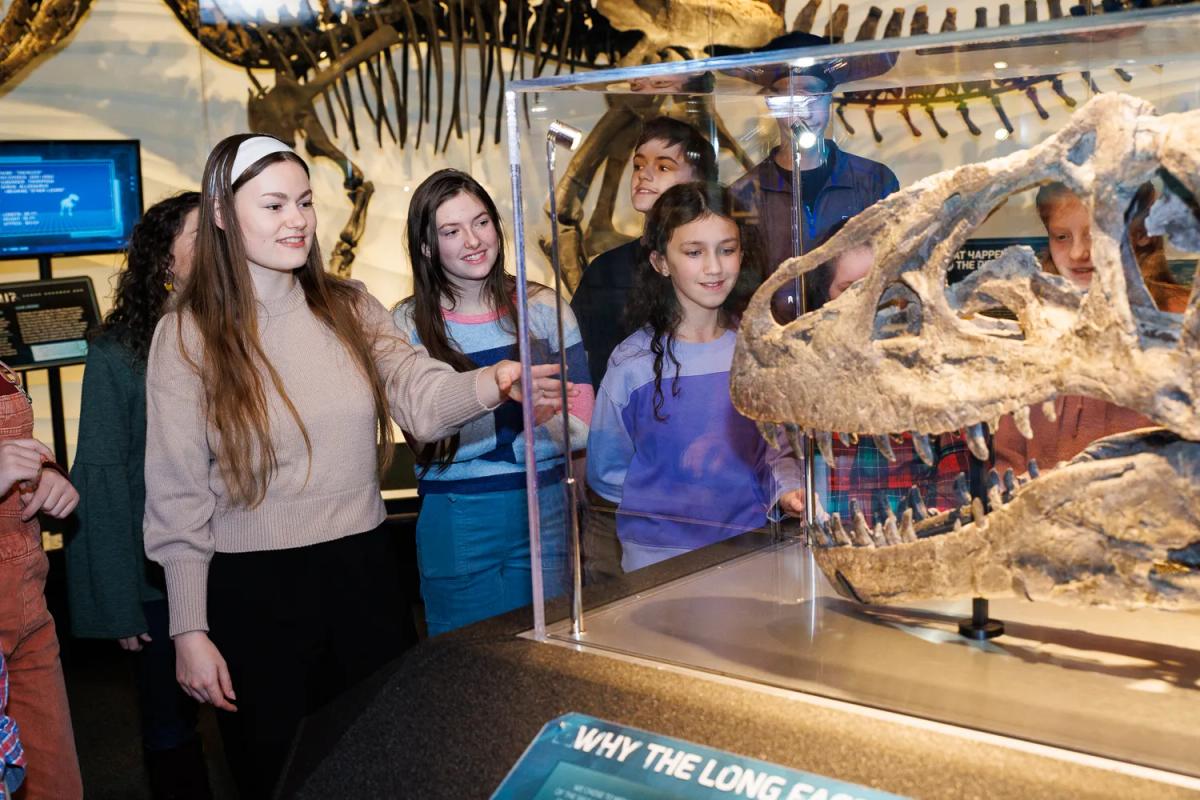
Inspire Guided Tours offers 90-minute, family-friendly guided experiences at the Creation Museum at 2800 Bullittsburg Church Rd, Petersburg, KY 41080. Our guides help guests understand key exhibits through a Scripture-first lens-connecting what you see to the truth of God’s Word in a clear, engaging way.
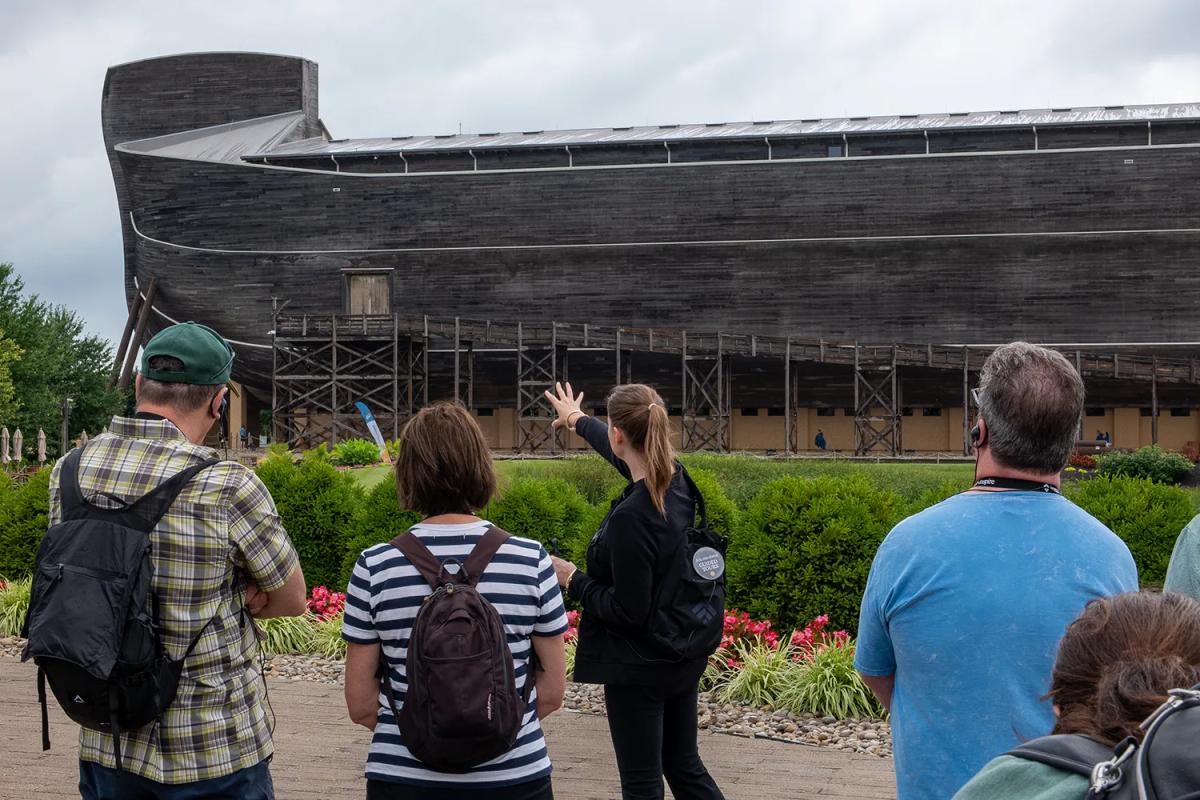
Inspire Guided Tours offers 90-minute, family-friendly guided experiences at the Ark Encounter at 1 Ark Encounter Drive, Williamstown, KY 41097. Our guides help guests understand key exhibits through a Scripture-first lens—connecting what you see to the truth of God's Word in a clear, engaging way.
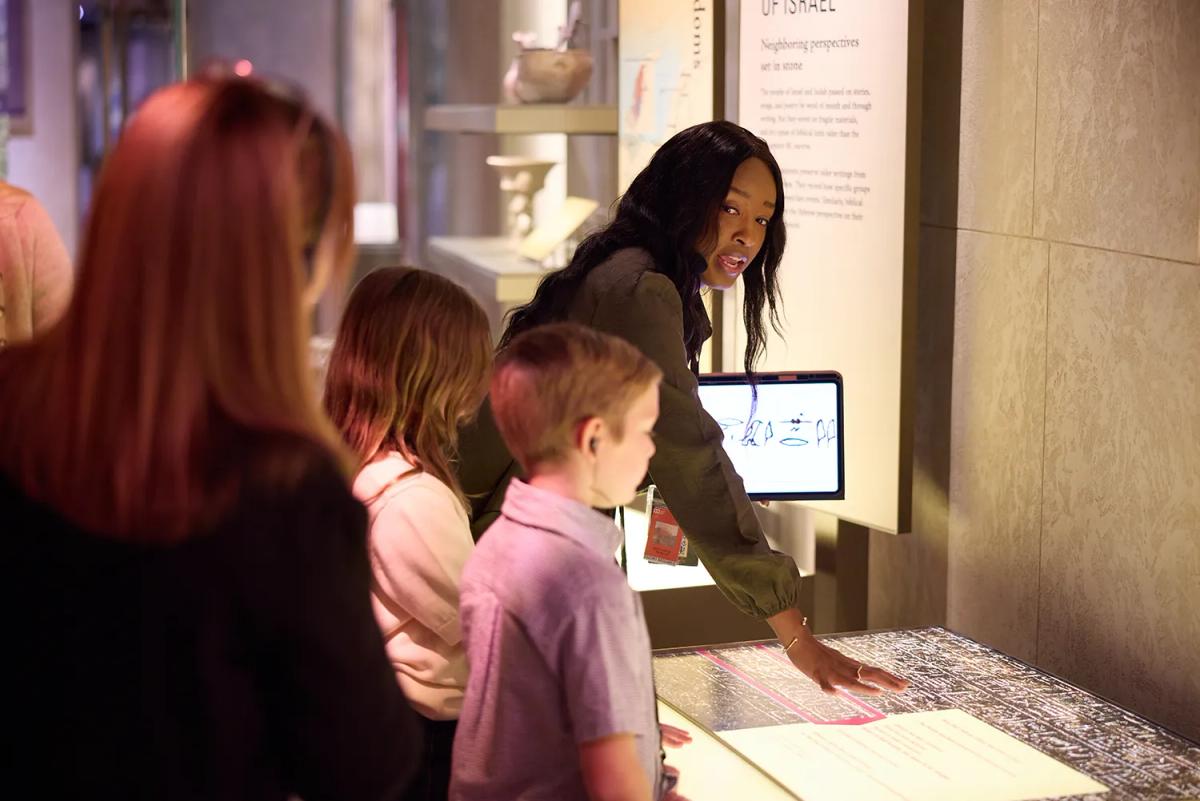
Experience the Museum of the Bible like never before with Inspire's expert-led guided tours in Washington, D.C. Discover the history, impact, and story of the Bible through engaging, Christ-centered experiences designed to deepen your confidence in God's Word.