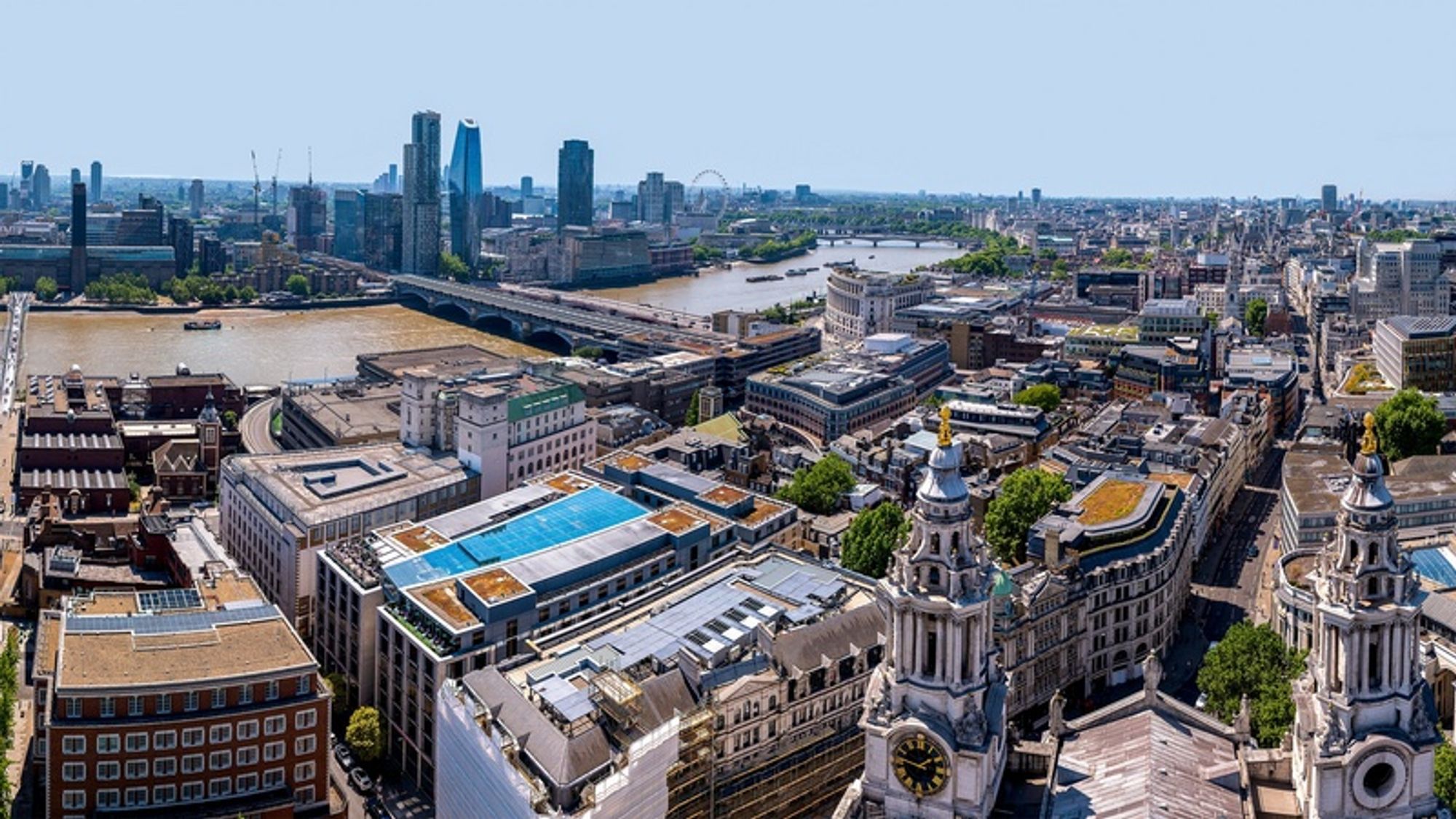
You may not realize it yet, but England changed your life.
Somewhere between Wycliffe's handwritten manuscripts and the King James translators meeting in the shadow of Westminster Abbey, a decision was made — that ordinary people deserved to hold God's Word in their own language, in their own hands. Men were imprisoned for that conviction. Some were burned for it. And the Bible you grew up reading exists because they refused to let it go.
England is not just history. It is the story of how Scripture survived, how it spread, and how it found its way into your home. Walk these streets and you don't just see a country — you see the cost of what you carry.
"For I am not ashamed of the gospel, for it is the power of God for salvation to everyone who believes." (Romans 1:16)
The Story You'll Walk
Most people come to England for the castles, the countryside, and the crown. Those are worth seeing. But beneath the surface — threaded through centuries of university halls, prison cells, quiet parish churches, and crowded city squares — runs a story that changed the world far more than any monarch ever did.
It is the story of what happened when ordinary people decided that God's Word was worth dying for.
Three cities carry that story most powerfully. Cambridge is where the text was preserved — where scholars bent over ancient manuscripts and where Tyndale House still does the quiet, serious work of biblical scholarship today. Oxford is where faith was tested — where three men were burned alive on Broad Street for refusing to recant their belief in the authority of Scripture, and where, four centuries later, a skeptical Oxford professor had a late-night conversation that changed the course of Christian thought. London is where Scripture met the world — where Wilberforce fought slavery from a position of parliamentary faith, where missionaries departed for every corner of the globe, and where the church still gathers in some of the most beautiful buildings ever built.
Come for any one of those cities. Stay for all three. What you'll find connecting them is a single living thread — the Word of God, moving through time, refusing to be silent.
The Faith That Shaped a Nation
The Cost of the Word
Before there was an English Bible, there was John Wycliffe — an Oxford theologian who, in the 14th century, had the dangerous idea that every person deserved to hear Scripture in their own language. He translated the Bible into English from Latin, and the Church declared it heresy. After his death, they dug up his bones and burned them.
A century later, William Tyndale went further. He translated the New Testament directly from the original Greek, printed it on a new device called a printing press, and smuggled thousands of copies into England hidden in bales of cloth. He was caught, strangled, and burned at the stake in Belgium in 1536. His final prayer: "Lord, open the King of England's eyes."
Three years after Tyndale's death, the King of England authorized the first official English Bible. Tyndale's words make up an estimated 80% of the King James New Testament that followed.
In 1553, three Protestant leaders — Archbishop Thomas Cranmer, Bishop Hugh Latimer, and Bishop Nicholas Ridley — were burned at the stake on Broad Street in Oxford under Queen Mary I. As the flames rose, Latimer spoke words that became one of the most famous utterances in church history: "Be of good comfort, Master Ridley, and play the man. We shall this day light such a candle by God's grace in England as I trust shall never be put out."
They were right. The candle was never put out.
In 1611, forty-seven scholars — meeting primarily at Oxford and Cambridge — completed the King James Bible. It became the most widely read book in the history of the English language. The Bible you hold today is their work, bought at an extraordinary price.
The road to the cross embedded in the pavement on Broad Street in Oxford is a short walk from a coffee shop and a Marks & Spencer. Most people walk past it without knowing what happened there. You won't.
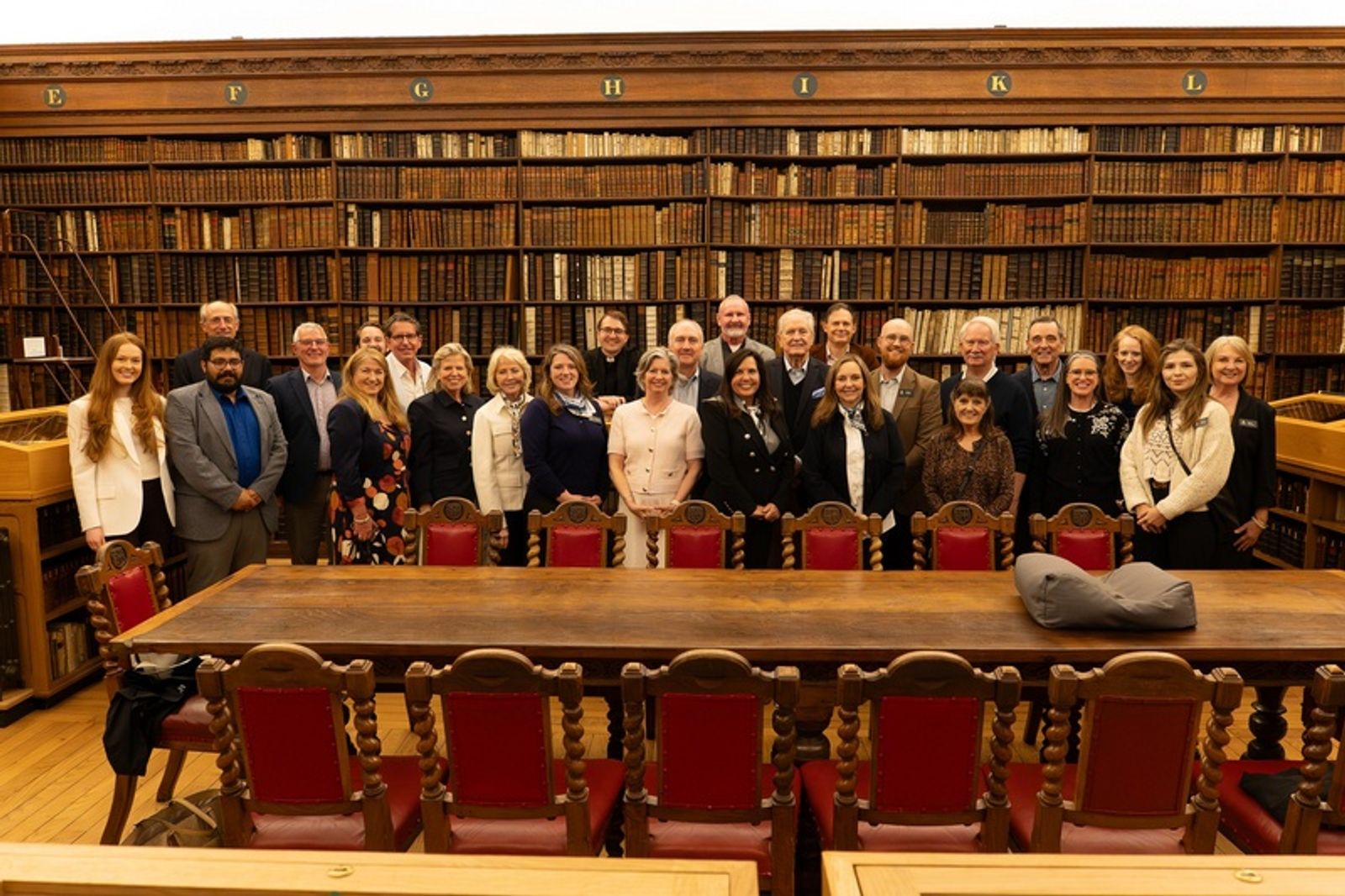
The City of Learning
England's great universities were not built for law or commerce. They were built for theology — places where the church could form people who would serve God in every dimension of life.
That heritage runs deeper than most visitors realize. Cambridge was home to Erasmus, whose Greek New Testament gave Tyndale the text from which he translated. Isaac Newton, who studied and taught at Cambridge, filled private notebooks with more words about the Bible than about mathematics. The University Bible collection, still held in Cambridge, contains thousands of manuscripts tracking the transmission of Scripture across centuries.
Oxford gave the world the Martyrs, but also something unexpected: the Inklings. In a back room of a pub on St. Giles' called The Eagle and Child — known to its regulars as the Rabbit Room — C.S. Lewis and J.R.R. Tolkien met every Tuesday morning to read their work aloud. The conversations in that room helped produce The Chronicles of Narnia and The Lord of the Rings. It was also on Addison's Walk at Magdalen College that Tolkien helped Lewis see, in a late-night conversation, that the story of Christ was the myth that was also true — the precise moment that tipped Lewis from philosophical theism to Christian faith.
Tyndale House in Cambridge continues this inheritance today: a residential research centre dedicated entirely to the scholarly study of Scripture, where some of the world's most serious biblical scholars still gather to work on the ancient text. Arriving in Cambridge and walking through those doors is not a museum experience. It is a living one.
The Great Awakening
By the 18th century, England was in spiritual decline. The established church had grown formal and distant. Into that moment stepped two brothers and a preacher — John Wesley, Charles Wesley, and George Whitefield.
John Wesley rode over 250,000 miles on horseback across England, preaching to miners, factory workers, and field laborers in open air. His brother Charles wrote more than 6,000 hymns — among them "O for a Thousand Tongues to Sing" and "Hark! The Herald Angels Sing" — which are still sung in churches around the world every Sunday. George Whitefield preached to crowds of 20,000 at a time, and his influence spread directly to the Great Awakening in the American colonies.
Wesley's childhood home, Epworth Rectory in Lincolnshire, still stands. The New Room in Bristol — the oldest Methodist building in the world, built in 1739 — is open to visitors. In London, Wesley's Chapel on City Road holds his grave. The movement that began in England's open fields reshaped Protestant Christianity on two continents.
Faith in the Public Square
William Wilberforce was a Member of Parliament, a friend of Prime Minister William Pitt, and by most measures one of the most socially well-positioned men in England. He was also, by his own account, a man whose faith in Christ was the single most important thing about him.
For twenty years, beginning in 1787, Wilberforce introduced bills in Parliament to abolish the British slave trade. He was mocked, threatened, and opposed by powerful financial interests at every turn. He pressed on. In 1807, the Slave Trade Act passed. "The Lord has set before me two great objects," Wilberforce wrote, "the suppression of the Slave Trade and the Reformation of Society."
He gathered around himself a community of committed Christians at Clapham Common in South London — men and women who believed that personal faith could not be separated from public action. They founded the Church Missionary Society, the British and Foreign Bible Society, and dozens of other organizations that shaped the spread of the gospel globally.
Wilberforce is buried in Westminster Abbey, a few yards from William Pitt. The plaque above his grave describes him simply as one who defended the cause of the oppressed. It is an understatement.
The Imagination Sanctified
John Bunyan was a tinker — a repairman of pots and pans — who was imprisoned in Bedford for preaching without a license from the Church of England. During his twelve years in prison, he wrote The Pilgrim's Progress, which became the most widely printed book in the English language after the Bible itself. He described it as a dream; it was really a map of the Christian life drawn from the inside of a cell.
C.S. Lewis — once a committed atheist, a decorated Oxford academic, and a man who regarded Christianity as a myth for the intellectually weak — became, through a series of late-night conversations at Oxford and one solitary bus ride to Whipsnade Zoo, the 20th century's most widely read Christian apologist. His books have never gone out of print. His home, The Kilns, and the church where he worshiped and is buried are open to visitors in Headington, just outside Oxford.
For families especially, England offers something rare: the places that gave us Narnia and Middle-earth were real places. The wardrobe was always there. Walking where Lewis walked, and standing in the rooms where those stories were imagined, connects the stories most Christian families already love to the faith that produced them.
The Living Church
England is not a museum of faith. The church here is very much alive.
All Souls Langham Place, in the heart of London's West End, has been a center of evangelical Anglican ministry for decades and draws thousands every Sunday. Holy Trinity Brompton gave birth to the Alpha course, which has been used to introduce tens of millions around the world to the Christian faith. The Church of England's tradition of Choral Evensong — Scripture and song, held in living community, sung daily in colleges across Cambridge and Oxford — is one of the most beautiful acts of worship available to any visitor.
Westminster Abbey has stood since the 11th century. Every English monarch since William the Conqueror has been crowned there. But beyond the ceremony, it has been a place of prayer for nearly a thousand years. The voices that have filled it in that time include some of the most significant in Christian history — and yours can too.
Three Cities, One Story
Cambridge
Where the text was preserved.
Where Erasmus worked, Tyndale studied, and biblical scholarship still breathes. Walk the same lanes. Sit in Evensong. Hold the silence that scholars have held for centuries.
Oxford
Where faith was tested.
Where men died for Scripture and a skeptic became a saint. Follow the Lewis route. Find the martyr's cross embedded in the road on Broad Street. Walk Addison's Walk at dusk.
London
Where Scripture met the world.
Where faith shaped public life and the church still stands. Trace Wilberforce to Westminster. Stand before the Codex Sinaiticus at the British Museum — one of the oldest complete New Testament manuscripts in the world, free to view. Walk with Christian Heritage London through the lanes where the gospel moved from chapel to empire.
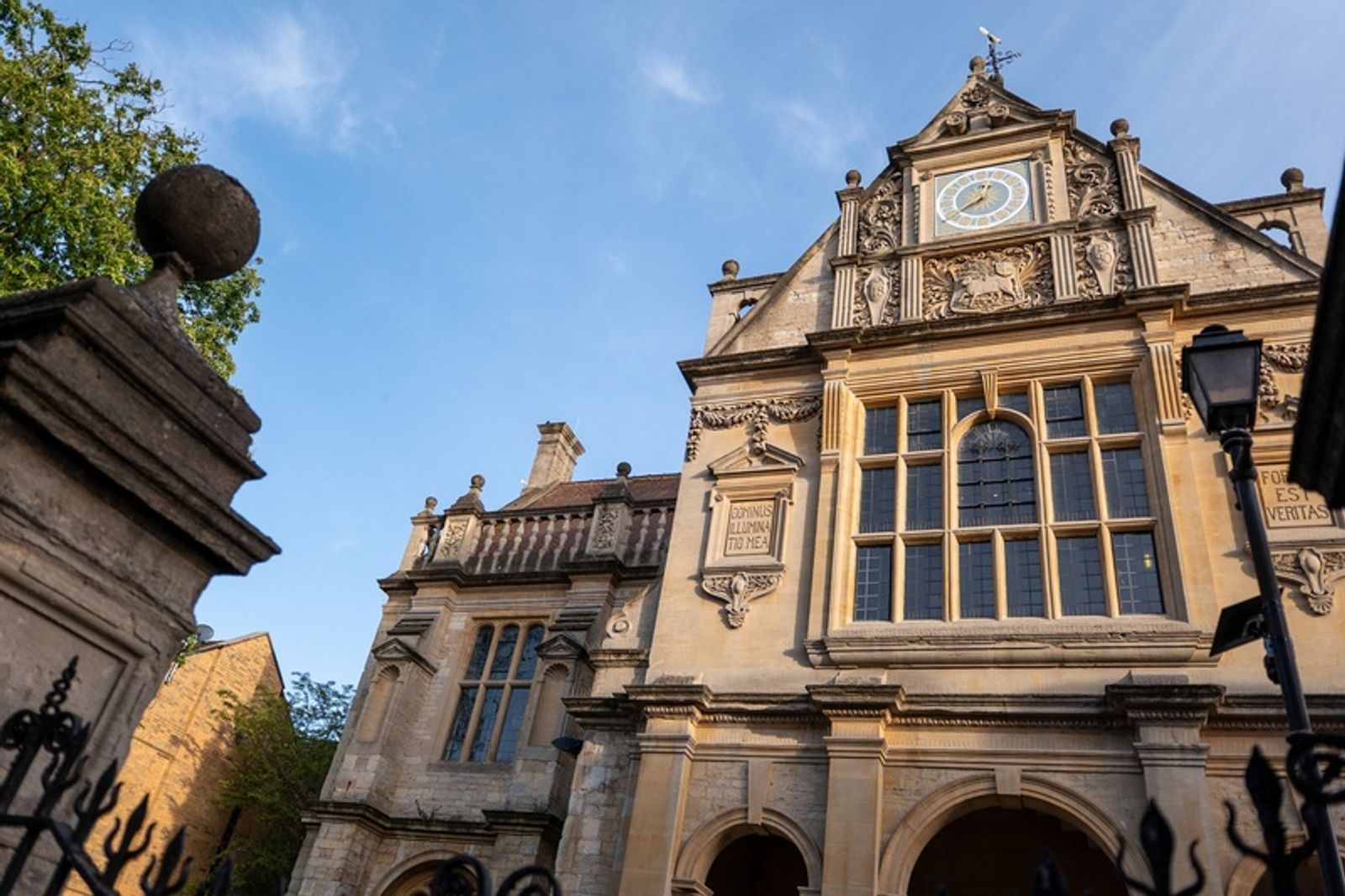
Plan Your Journey
Suggested itineraries for independent travelers.
Here are three ways to structure your visit based on how long you have.
7 Days — The Essential England
The core story, well told.
Days 1–2: Cambridge
Arrive and settle. Visit Tyndale House (contact in advance for access). Walk the city with the University Bible collection in mind. Attend Evensong at King's College Chapel or Clare College — don't skip this. Tea at The Orchard in Grantchester.
Days 3–5: Oxford
Check in on Broad Street. Begin with the Martyr's Memorial — stand there and let it register. Walk the Lewis Route. Visit The Kilns and Holy Trinity Church in Headington. Spend time in the Bodleian. Climb the University Church tower for the city from above. Give yourself at least one unscheduled afternoon.
Days 6–7: London
Arrive by train. Begin at Westminster Abbey — arrive early, before the crowds. Visit the British Museum for the Codex Sinaiticus and the Scripture-artifact walk. On Sunday, worship at All Souls Langham Place or Holy Trinity Brompton. Walk with Christian Heritage London if available.
10 Days — The Full Story
Add depth to each city.
Add to the 7-day framework:
One additional day in Oxford: Magdalen College and Addison's Walk, the Weston Library (call ahead for manuscript viewing), a free afternoon for your own discoveries.
Two additional days in London: Lambeth Palace Library (advance booking required), Clapham Common and the Wilberforce neighbourhood, and an evening on the South Bank.
14 Days — The Complete Journey
The complete picture, including what the three cities can't hold alone.
Add to the 10-day framework:
Canterbury (1–2 days): Where Augustine of Canterbury arrived in 597 AD and the English church began. The Cathedral. The ruins of St. Augustine's Abbey.
Bedford (half day): Bunyan Museum. Bunyan Meeting. The place where Pilgrim's Progress was written in a cell.
The Cotswolds (1–2 days): Not a faith destination in itself, but a restorative interlude. Let the landscape breathe between Oxford and London.
Where to Stay
Inspire-curated accommodations across experience tiers.
Cambridge
Premium Collection: University Arms Hotel, Autograph Collection
52-42 Regent St, Cambridge CB2 1AD
Overlooking Parker's Piece in the heart of the city. A beautifully restored historic building — the kind of hotel that feels like it belongs to Cambridge, not just in it. Walking distance to everything.
Oxford
Signature Collection: The Store Oxford
1–5 Broad St, Oxford OX1 3AG
On Broad Street, directly across from the Martyr's Memorial. You will see the spire from your window. There is no more fitting address in Oxford for the purpose of this guide.
Signature Collection: The Randolph Hotel, a Graduate by Hilton
Beaumont St, Oxford OX1 2LN
A Victorian Gothic landmark on Beaumont Street, a short walk from everything. Classic Oxford in every sense.
London
Flagship Collection: Kimpton Fitzroy London
1–8 Russell Sq, London WC1B 5BE
Victorian architecture, modern comfort, and a glass-roofed Winter Garden in Bloomsbury — steps from the British Museum and Russell Square. One of London's most distinctive addresses.
A Moment for the Journey
William Tyndale spent much of his adult life as a fugitive — moving from city to city in continental Europe, translating Scripture in borrowed rooms, with a price on his head placed there by the King of England. He did it because he believed that a plain farmer plowing a field deserved to know God's Word as well as any bishop. He never saw it happen. He was executed before the English Bible he gave his life for was placed in the hands of the people he imagined.
But it happened.
There is something Tyndale understood that the English landscape still teaches anyone willing to pay attention: faithfulness rarely looks like victory in the moment. It looks like a man at a desk, in hiding, working on something that will outlast him by five hundred years.
What are you carrying that is meant to outlast you?
"Your word is a lamp to my feet and a light to my path." (Psalm 119:105)
Experience England with Inspire
These places are worth exploring on your own. This guide exists to help you do exactly that, and to make sure you don't walk past the cross in the road without knowing what it means.
But some doors open differently when you arrive with a guide who has spent their life with both the Book and the land.
The Logos Program — Cambridge, Oxford, London is Inspire's premier England experience. Nine days of scholar-led access, beginning at Tyndale House with Dr. Peter J. Williams and moving through Oxford and London with private access at the Bodleian, Westminster Abbey, and Lambeth Palace Library. Worship at All Souls Langham Place or Holy Trinity Brompton. Evenings at some of England's finest addresses.
"This experience brings Scripture, scholarship, and place into one conversation — quietly, beautifully, and with care."
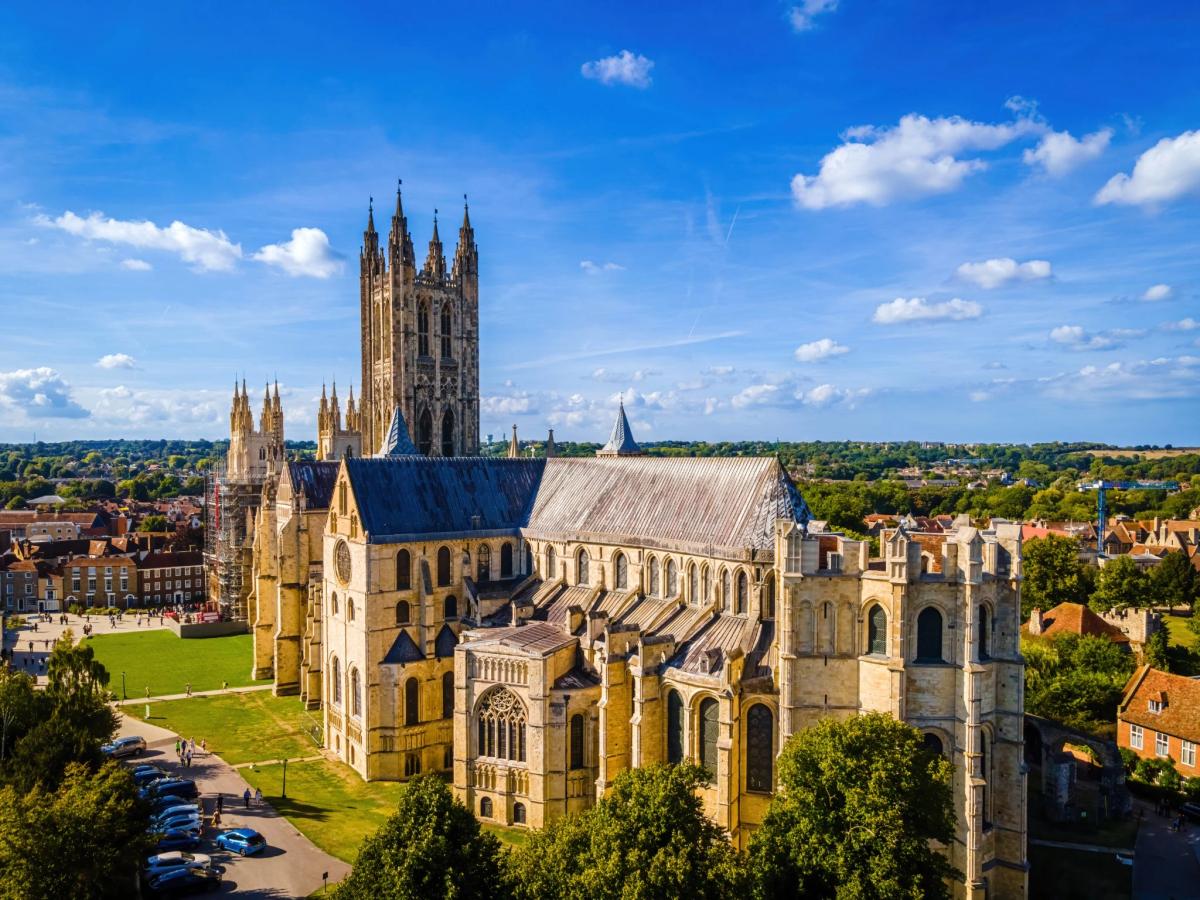
A fifteen-day pilgrimage through Ireland, Scotland, and England, following the saints, sites, stones, and stories of our Celtic and Anglican Christian heritage. Hosted by The Episcopal Church of the Transfiguration, Vail Valley, and led by Father Brooks Keith with special guest the Rev. Canon C.K. Robertson, Ph.D.
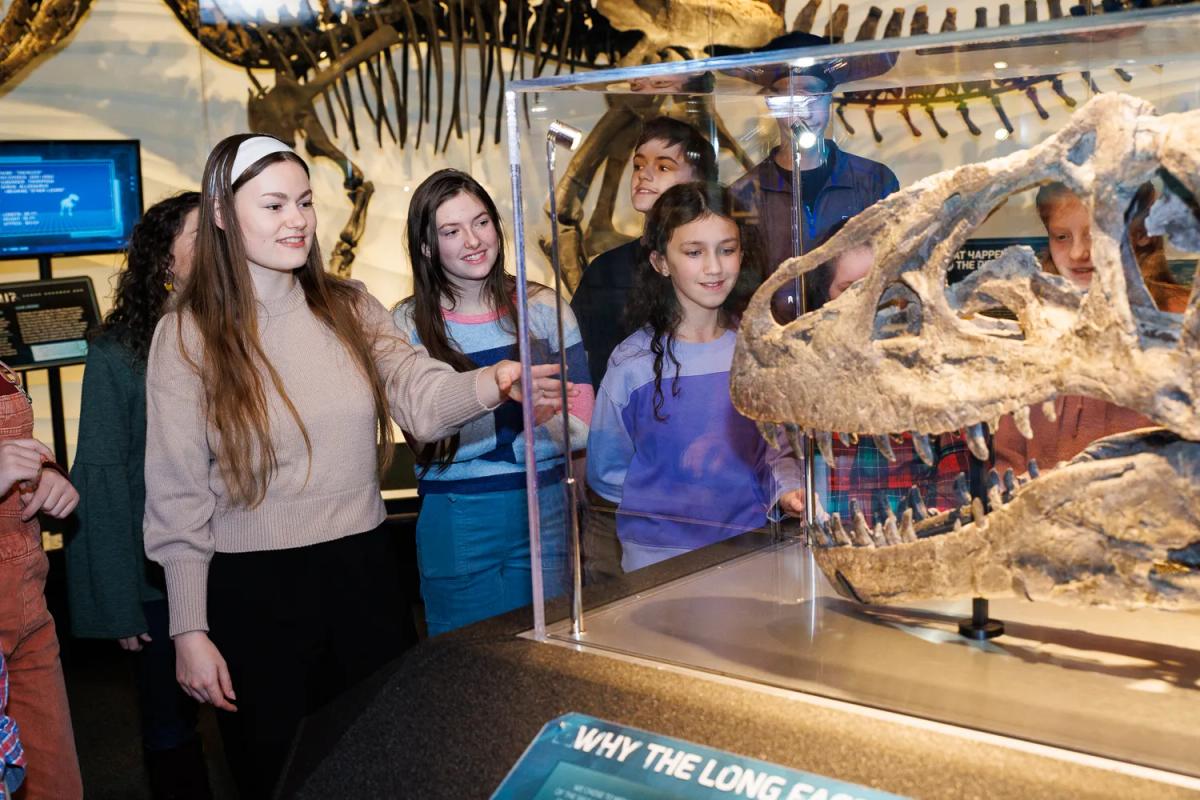
Inspire Guided Tours offers 90-minute, family-friendly guided experiences at the Creation Museum at 2800 Bullittsburg Church Rd, Petersburg, KY 41080. Our guides help guests understand key exhibits through a Scripture-first lens-connecting what you see to the truth of God’s Word in a clear, engaging way.
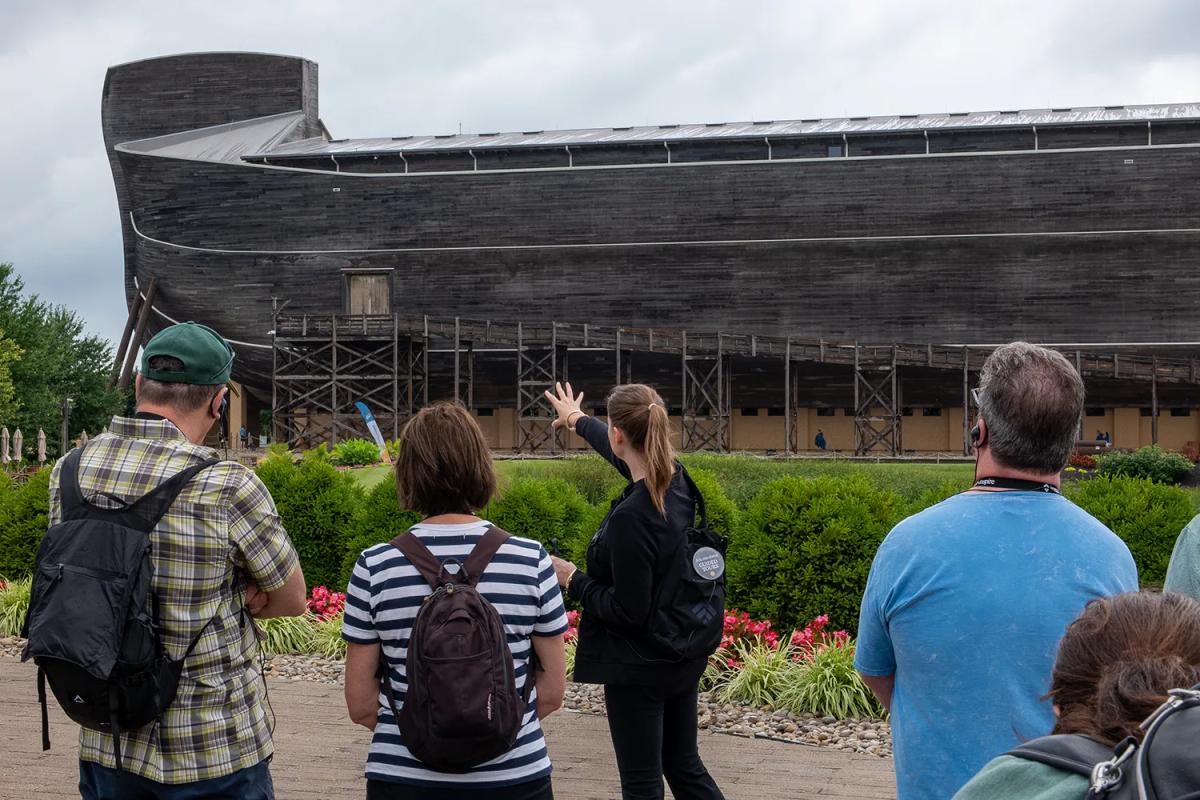
Inspire Guided Tours offers 90-minute, family-friendly guided experiences at the Ark Encounter at 1 Ark Encounter Drive, Williamstown, KY 41097. Our guides help guests understand key exhibits through a Scripture-first lens—connecting what you see to the truth of God's Word in a clear, engaging way.
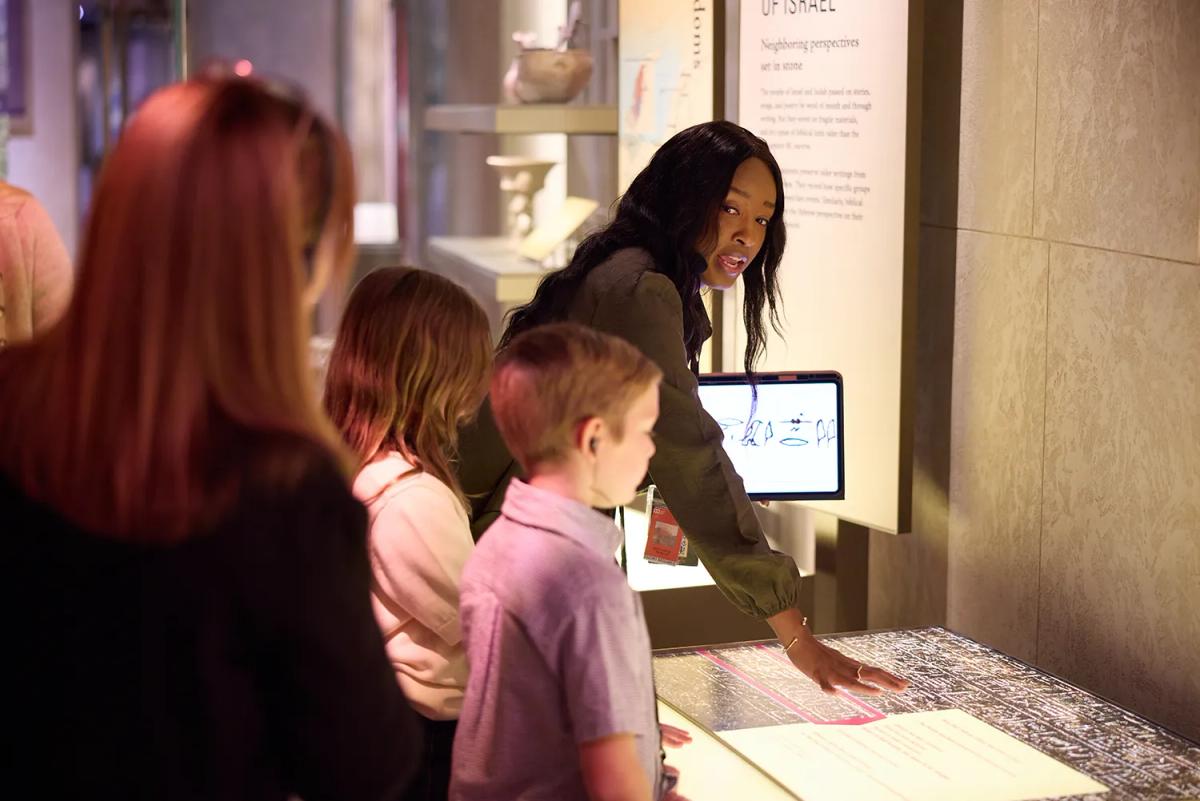
Experience the Museum of the Bible like never before with Inspire's expert-led guided tours in Washington, D.C. Discover the history, impact, and story of the Bible through engaging, Christ-centered experiences designed to deepen your confidence in God's Word.