London Doesn't Come at you Quietly
Eight million people, thousands of streets, the largest city in Western Europe — it arrives all at once and doesn't apologize for it.
But the faith story of London is not in the scale. It's in the specific.
A plaque on a wall on Aldersgate Street that most people walk past without reading. A grave in Westminster Abbey where a man who fought the slave trade for twenty years is finally at rest, a few feet from the prime minister who was his closest friend. A glass case in Room 41 of the British Museum holding a 1,700-year-old manuscript of the New Testament — free to view, almost never crowded — that has survived longer than the Roman Empire that tried to suppress the faith it contains.
London rewards the person who slows down to read what's written on the walls.
"The grass withers, the flower fades, but the word of our God will stand forever." (Isaiah 40:8)
The Story of London
London has been a center of Christian life since Roman times, and the faith has been in conversation with the city's power ever since — sometimes shaping it, sometimes challenging it, and occasionally dying in opposition to it.
The story isn't in one place. It's scattered across the city like seeds: a 17th-century cathedral rebuilt from the ashes of a fire that destroyed everything. A Nonconformist burial ground in the City where John Bunyan lies a few feet from Susanna Wesley, the mother of John and Charles. A room in a house on Aldersgate Street — the house is gone, only a plaque remains — where John Wesley felt his heart "strangely warmed" and the Methodist revival was, in a single moment, born.
And beyond the historical, London is a city where the church is unmistakably alive. All Souls Langham Place draws thousands every Sunday in the middle of the West End. Holy Trinity Brompton gave the world the Alpha course. Choral services ring daily from St. Paul's to Southwark to Westminster Abbey, the same words that have been sung in those stones for a thousand years.
There is more here than any single trip can hold. Begin with the places that carry the most weight. Let the city keep giving.
The Faith of London
Westminster and the Public Faith
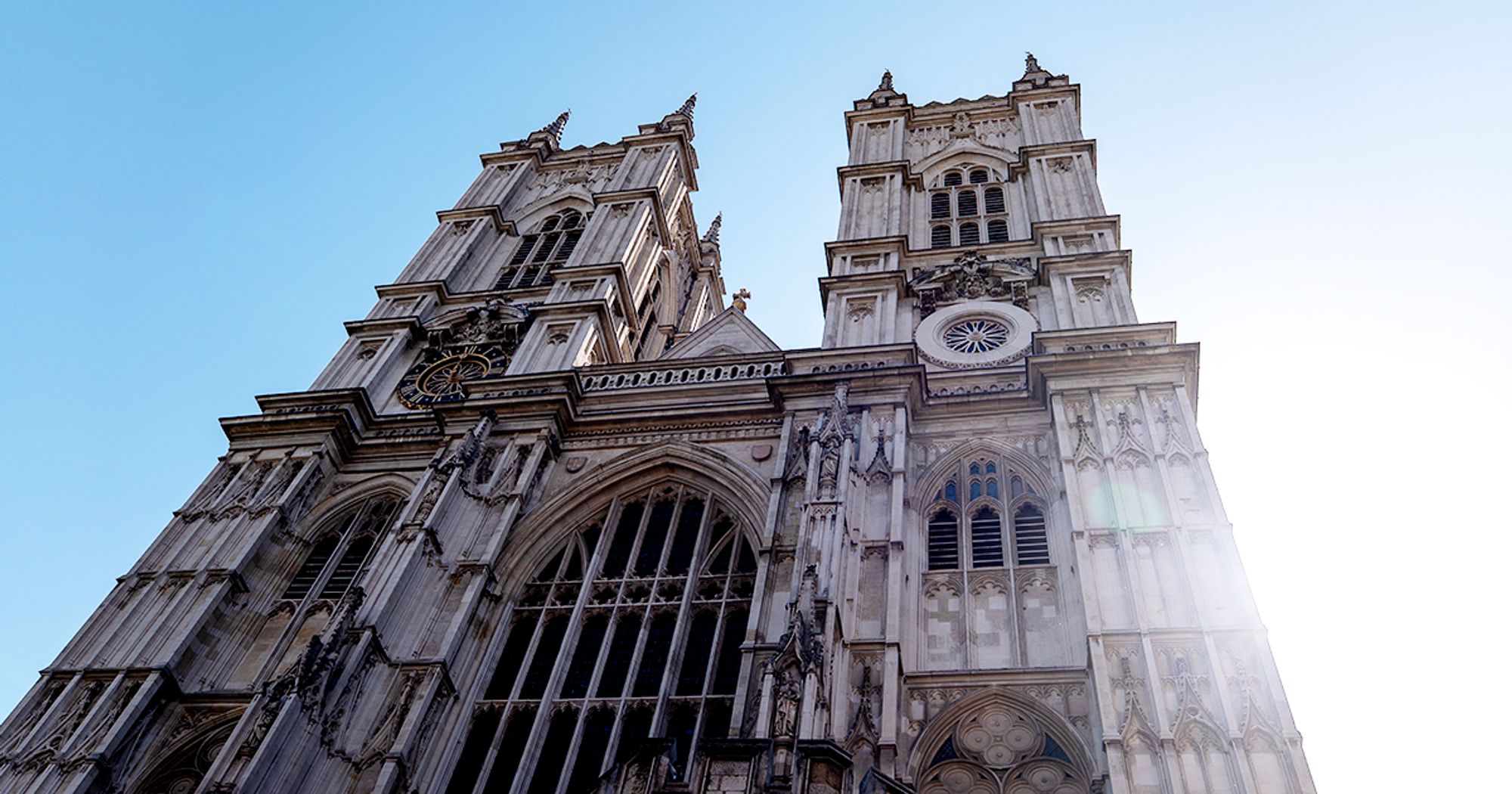
Westminster Abbey has stood in some form since the 11th century and has been the site of every English coronation since William the Conqueror in 1066. Kings and queens have been made here. Saints have been buried here. The poets, scientists, soldiers, and reformers who shaped the English-speaking world lie in its floors and walls — among them Geoffrey Chaucer, Isaac Newton, Charles Darwin, and Charles Dickens.
But Westminster Abbey is not primarily a museum of England's great men. It is a church. The community of faith that has gathered here for nearly a thousand years still gathers. The Benedictine monks who first built it believed they were building a house of prayer, and it has been one ever since — through wars, reformations, fires, and everything else the centuries have brought.
Walk in during Evensong if you can. Sit in the choir stalls rather than the nave. Let the sung Psalms fill the space and understand that the same words have been sung in this building, on this site, since before the Norman Conquest. What you're experiencing is not a performance. It is a living tradition that has simply never stopped.
William Wilberforce is buried here, near his close friend William Pitt the Younger. Their graves are close enough that you could stand between them. Wilberforce fought the abolition of the slave trade for twenty years from a seat in Parliament, driven entirely by his Christian conviction that no human being could be owned by another. He died in 1833, three days after hearing that the Slavery Abolition Act had passed its second reading. He had lived just long enough.
His statue stands today in Parliament Square, across from the Abbey — one of a handful of public figures ever honored with a memorial in both places. His epitaph in the Abbey describes him as one who "after forty-five years of public labour" brought freedom to "eight hundred thousand human beings." It does not mention his faith. His faith is why it happened.
The Great Fire and the Rebuilt Churches
In September 1666, a fire started in a bakehouse on Pudding Lane in the City of London and burned for four days. When it was over, 373 acres of the city had been destroyed — including 87 churches.
The architect Christopher Wren was given the task of rebuilding the city. He rebuilt 51 churches, including his masterpiece: St. Paul's Cathedral, completed in 1711. The dome of St. Paul's has dominated the London skyline ever since. During the Blitz in 1940, while the City around it burned, St. Paul's survived. The photograph of its dome rising through the smoke became one of the most iconic images of the Second World War — a symbol, in the darkest moment of the 20th century, of something that endured.
Inside St. Paul's, Wren himself is buried beneath the floor of the crypt. His epitaph, written in Latin on the wall above, translates as: "If you seek his memorial, look around you."
There is a version of faith that works the same way.
The Nonconformists and the Word
Not all of London's faith story ran through the Church of England. Some of its most significant chapters were written by those who stood outside it — imprisoned, persecuted, and eventually impossible to ignore.
John Bunyan never set foot in London's great churches as a preacher. He was a Nonconformist, which meant he was legally barred from ordained ministry in the established church. He was imprisoned in Bedford for twelve years for preaching without a licence. He used the time to write The Pilgrim's Progress — the most widely read book in the English language after the Bible itself. When Bunyan died in London in 1688, he was buried at Bunhill Fields, the Nonconformist burial ground in the City. His grave is still there, marked by a reclining effigy. It is one of the most visited graves in London, and one of the least expected.
Bunhill Fields also holds Susanna Wesley — the mother of John and Charles Wesley, who raised nineteen children with deliberate spiritual intentionality and whose commitment to Scripture-based formation shaped both of her famous sons more than any other influence. A few steps away lies William Blake, who could not be described as an orthodox Christian but whose imagination was soaked in biblical imagery.
John Wesley's defining moment in London came on the evening of May 24, 1738. He was already an ordained Anglican minister and a returned missionary from America, where his ministry had failed by almost every measure. He attended a meeting of Moravian Christians on Aldersgate Street and heard someone reading Martin Luther's preface to his commentary on Romans — Luther's description of what it means to trust Christ rather than simply believe in Him. Wesley wrote that he felt his heart "strangely warmed" — that he felt he did trust Christ, and Christ alone, for his salvation.
It was not a beginning from nothing. It was the moment intellectual faith became living faith. The Methodist revival followed, spreading from that night across England and eventually across the Atlantic.
A plaque marks the site on Aldersgate Street today. Wesley's Chapel, a short walk away on City Road, was built by Wesley himself in 1778 as the mother church of Methodism. His house is next door, preserved as it was. His grave is in the garden behind the chapel.
The Bible in the British Museum
Room 41 of the British Museum holds one of the most significant objects in Christian history, and almost no one visiting London knows to look for it.
The Codex Sinaiticus is a handwritten manuscript of the Christian Bible produced in the 4th century — around 330–360 AD — making it one of the oldest and most complete copies of the New Testament in existence. The entire New Testament is here, along with much of the Old Testament, in Greek. It was produced by skilled scribes, probably for a major Christian institution, possibly under the patronage of the Emperor Constantine himself.
It was discovered in the 19th century at St. Catherine's Monastery on the Sinai Peninsula — hence its name — and eventually portions of it came to the British Museum. Viewing it is free. It sits in a climate-controlled case, open to anyone who walks through the door.
Stand in front of it for a moment and consider: the words you read in your Bible this morning were transmitted from manuscripts like this one. The chain of transmission runs from these pages — copied by a scribe whose name we do not know, in the 4th century, in a scriptorium somewhere in the ancient world — to the book in your hands. It did not arrive easily. It arrived faithfully.
The Codex Alexandrinus, another early manuscript, is in the same gallery. The Lindisfarne Gospels — illuminated on a small island off the Northumbrian coast in the 8th century by a monk named Eadfrith, one of the most beautiful books ever made — are also held at the British Library nearby.
Clapham and the Great Commission
Three miles south of Westminster, in an affluent neighborhood around Clapham Common, a group of Christians gathered in the late 18th century with a shared conviction: that personal faith required public action.
The Clapham Sect — as they came to be known — included Wilberforce, Henry Thornton, John Venn, Zachary Macaulay, and others. They worshiped together at Holy Trinity Clapham, which still stands at the north side of the Common. They worked together out of Thornton's house, Battersea Rise, which became an informal headquarters for some of the most consequential Christian social activism in history.
Beyond abolition, they founded the Church Missionary Society in 1799 — which sent Christian missionaries to Africa, India, and beyond, and whose influence on the global spread of the gospel is still felt today. They co-founded the British and Foreign Bible Society in 1804, whose mission was to place Scripture in the hands of people in every language. They established schools, championed prison reform, and worked to change the moral culture of English public life.
They were not idealists operating from the margins. They were parliamentarians, financiers, and lawyers — people with the access and influence to make things happen — who used every resource they had in the service of what they believed.
Holy Trinity Clapham still holds services. The Common is a quiet place for a walk and a long thought.
The Living Church
Two London churches matter particularly for anyone visiting with faith in mind.
All Souls Langham Place sits at the top of Regent Street, steps from Oxford Circus, in the middle of one of the busiest retail corridors in the world. The building was designed by John Nash in 1824, with a distinctive circular porch and spire. For much of the 20th century, it was the pastoral home of John Stott — the man many regard as the defining evangelical Anglican voice of the 20th century. His commitment to biblical preaching, intellectual engagement with culture, and global ministry shaped a generation of Christian leaders. All Souls still draws thousands every Sunday and remains a center of evangelical Anglican life in London.
Holy Trinity Brompton is a Church of England congregation in South Kensington that gave the world the Alpha course — a program for exploring Christian faith that has been used in tens of millions of conversations in over 100 countries. The Alpha course began here in 1977 as a small confirmation class. It grew into one of the most significant evangelistic tools in modern Christianity. Sunday services at HTB are large, contemporary, and welcoming.
If your visit includes a Sunday in London, attending one of these services is worth organizing the day around.
Walking London
London is too large for a single walking route to hold. The faith story is spread across multiple neighborhoods — Westminster, the City, Bloomsbury, Clapham — each carrying a different chapter. These two routes cover the most essential ground.
For a guided walk that goes deeper into London's Christian history across multiple areas, Christian Heritage London runs expert-led tours that open doors, tell stories, and reveal the city's faith landscape in a way no self-guided map fully replicates. The Logos program includes this experience as part of its London days.
The Westminster Walk — Faith and Public Life
(approx. 50 minutes, plus time inside Westminster Abbey)
Start here. This is where faith and power have negotiated for a thousand years.
1. Westminster Abbey
Enter through the North Transept entrance. Give yourself at least 45–60 minutes inside. Find Wilberforce's grave in the North Transept — he and Pitt are buried close together. Find Isaac Newton's elaborate monument. Sit in the Quire at Evensong if timing allows; services are free and one of the most profound worship experiences in England. If you are visiting with children, find the Cosmati Pavement near the High Altar — a 13th-century mosaic that was meant to help calculate the end of the world.
2. Parliament Square
Exit via the West Door and cross into Parliament Square. Find Wilberforce's statue, installed in 2007 on the 200th anniversary of the Slave Trade Act. He is the only abolitionist in the square full of statesmen. Note what he is holding — a copy of the Slave Trade Act, not a Bible, though both would be equally appropriate.
3. St. Margaret's Westminster
The church sandwiched between Westminster Abbey and the Houses of Parliament. This is Parliament's own church — where MPs traditionally worshiped, where Milton married his second wife, and where Walter Raleigh is buried under the chancel floor. Smaller and quieter than the Abbey, and worth five minutes inside.
4. Methodist Central Hall Westminster
Cross Victoria Street. This Edwardian Baroque building was completed in 1912, directly opposite Westminster Abbey, built on land purchased with the proceeds of a Methodist fundraising campaign. The first General Assembly of the United Nations met here in 1946. It was meant to be a visual statement: Nonconformist Christianity, standing confidently across the street from the established church.
5. Lambeth Palace (view from Lambeth Bridge)
Cross the Thames via Lambeth Bridge. The Tudor gatehouse of Lambeth Palace — the official London residence of the Archbishop of Canterbury since the 13th century — is visible from the bridge. Lambeth Palace Library, accessed by advance booking through the Logos Program, holds some of the most significant documents in Anglican history: original correspondence from Thomas Cranmer, copies of the first English prayer books, records spanning eight centuries of the church's life in England.
The City Walk — Word and Revival
(approx. 55 minutes, plus time at St. Paul's and Bunhill Fields)
The chapter of London's story that happened away from Parliament and the crown.
1. St. Paul's Cathedral
Start at the top of Ludgate Hill. Christopher Wren's masterpiece, completed in 1711 after 35 years of construction. Enter and find Wren's grave in the crypt — the only epitaph in this guide that applies equally to the building and the faith it represents. Climb to the Whispering Gallery if legs allow; the acoustic phenomenon there (whisper against the wall and be heard on the opposite side) is extraordinary and strangely moving.
2. Temple Church
A 12-minute walk east. The round church built by the Knights Templar in 1185, modeled on the Church of the Holy Sepulchre in Jerusalem. The circular nave is one of the oldest Norman structures in London. The effigies of the knights on the floor are 13th century. Enter quietly — it functions as an active church and is not primarily a tourist attraction.
3. The Monument
Continue east to the column designed by Wren to mark the Great Fire of 1666. Its height — 202 feet — is exactly the distance from its base to the bakehouse on Pudding Lane where the fire began. From the top, you can see both St. Paul's dome and the skyline of the rebuilt City — 51 churches, most of them still standing.
4. Bunhill Fields
Walk north toward the City. Bunhill Fields is a Nonconformist burial ground that has been in continuous use since the 17th century. John Bunyan is buried here — find the white marble reclining effigy; it's larger than expected. Susanna Wesley's grave is nearby. William Blake's grave is a few steps further. Stand for a moment among three people who shaped English Christianity as profoundly as anyone who ever held a titled church office.
5. Aldersgate Street Marker
Walk west along Chiswell Street toward Aldersgate Street. Near the junction of Aldersgate and St. Martin's Le Grand, a plaque on the wall marks the approximate site of the house where John Wesley's heart was "strangely warmed" on May 24, 1738. The house is long gone. The plaque is easy to miss. It marks the moment the Methodist revival began — which means it marks the moment that shaped the faith of tens of millions of people on two continents. Read it twice.
6. Wesley's Chapel and House
A short walk north on City Road. Wesley's Chapel was built in 1778 — Wesley himself laid the first stone — as the mother church of Methodism. His house is next door, preserved as it was during his lifetime. His grave is in the garden behind the chapel. The Museum of Methodism in the basement holds artifacts spanning the entire history of the movement.
The British Museum Scripture Walk
(approx. 45–60 minutes, self-guided)
Not a street walk — a room-by-room route through one of the most significant Bible collections in the world.
Free entry. Allow at least one hour, ideally two.
Enter through the Great Court and navigate to Room 41 (Early Medieval). This is the first and most important stop.
Codex Sinaiticus — One of the oldest and most complete manuscripts of the New Testament in the world. Fourth century. Handwritten in Greek. Free to view. This is the Scripture chain made visible. The words in your Bible traveled through manuscripts like this one. Spend as much time here as you need.
Codex Alexandrinus — Also in Room 41. A 5th-century manuscript of the Bible. Among the first manuscripts to contain the full New Testament. Read alongside the Codex Sinaiticus, it gives a sense of how many independent witnesses to the text existed within the first few centuries.
From Room 41, navigate to Room 40 (Byzantine World) for further context on early Christian manuscript culture, and then to Room 2 (Prehistory and Europe) for early Christian artifacts from the British Isles.
Lindisfarne Gospels — Now held at the British Library, a short walk from the museum. If time allows, visit separately. The most beautiful object connected to early British Christianity. Written and illuminated by a monk named Eadfrith on Lindisfarne Island in the 8th century. Each page is almost impossible to believe a human being made by hand.
Site Spotlights
Key sites in London worth seeking out on your own:
- Westminster Abbey
- British Museum — Codex Sinaiticus
- Lambeth Palace Library
- Bunhill Fields — Bunyan, Wesley, Blake
- Wesley's Chapel and Aldersgate Street
- St. Paul's Cathedral
- All Souls Langham Place
- Holy Trinity Brompton
- Clapham Common — The Clapham Sect
Where to Stay
London is a city of neighborhoods — where you stay shapes how you experience it. This recommendation places you in Bloomsbury, which puts the British Museum at your doorstep and keeps you in easy reach of Westminster, the City, and both All Souls and Holy Trinity Brompton.
Flagship Collection: Kimpton Fitzroy London
1–8 Russell Sq, London WC1B 5BE
A grand Victorian building on Russell Square — one of London's most beautiful garden squares — with a glass-roofed Winter Garden in the heart of the lobby that makes arriving feel like an event. The British Museum is a six-minute walk. The faith story of London radiates outward from here in every direction.
Dining
London's food has changed more in the last twenty years than in the two centuries before that. A few places worth going to specifically, and one that matters for a different reason.
The Crypt Café at St. Martin-in-the-Fields — Trafalgar Square
Lunch in a medieval crypt under one of London's most beautiful churches. St. Martin-in-the-Fields is also one of London's most active social outreach ministries — the café and the music program both fund work with people experiencing homelessness. Worth choosing deliberately.
The Ship Tavern — 12 Gate St, Holborn
A narrow, atmospheric pub a short walk from the British Museum. During the Reformation, Catholic priests celebrated Mass in secret in upstairs rooms here, at risk of death. The building hasn't changed much. Order something and sit with that thought.
Rules Restaurant — 35 Maiden Ln, Covent Garden
London's oldest restaurant, in continuous operation since 1798. The menu is English, the décor unchanged for generations, and the clientele over the centuries has included Dickens, Thackeray, H.G. Wells, Clark Gable, and Laurence Olivier. Worth a special dinner.
Borough Market — 8 Southwark St
London's oldest and finest food market, operating in some form since the 12th century under the shadow of Southwark Cathedral. John Harvard — founder of Harvard College — was baptized at Southwark Cathedral, a three-minute walk from the market. Arrive hungry and without a plan.
Dishoom — Multiple locations; Covent Garden recommended
Bombay-style café that has become a London institution. No faith connection, but exceptional food and the kind of beautiful space that invites slowing down. The lamb raan is worth the advance booking.
A Moment for the Journey
John Wesley described the evening of May 24, 1738 with unusual precision. He had gone to a meeting "very unwillingly" on Aldersgate Street. Someone was reading aloud from Luther's preface to Romans — Luther's description of the change that God works in the heart through faith in Christ. And at about a quarter to nine in the evening, Wesley wrote, he felt his heart "strangely warmed." He felt, he said, that he did trust Christ — not that he should trust Christ, or believed that trusting Christ was correct — but that he actually did.
Wesley was already a Christian when this happened. He had been ordained. He had served as a missionary. He had followed the rules and kept the practices. But there is a version of faith that lives entirely on the outside — maintained through effort, assented to with the mind, carried like a burden — and a version that lives on the inside, where it was always meant to live.
The plaque on Aldersgate Street marks the address. What it's really marking is the distance between knowing about grace and actually receiving it.
Is there a distance like that in your own faith? What would it feel like for that to close?
"I will give you a new heart and put a new spirit in you; I will remove from you your heart of stone and give you a heart of flesh." (Ezekiel 36:26)
Experience London with Inspire
London is a city where the faith story lives in the gaps between the obvious landmarks — in a plaque on a wall, in the grave of an abolitionist, in a glass case holding a manuscript that is older than the city around it.
This guide gives you the map. But some of London opens in ways that a map cannot reach.
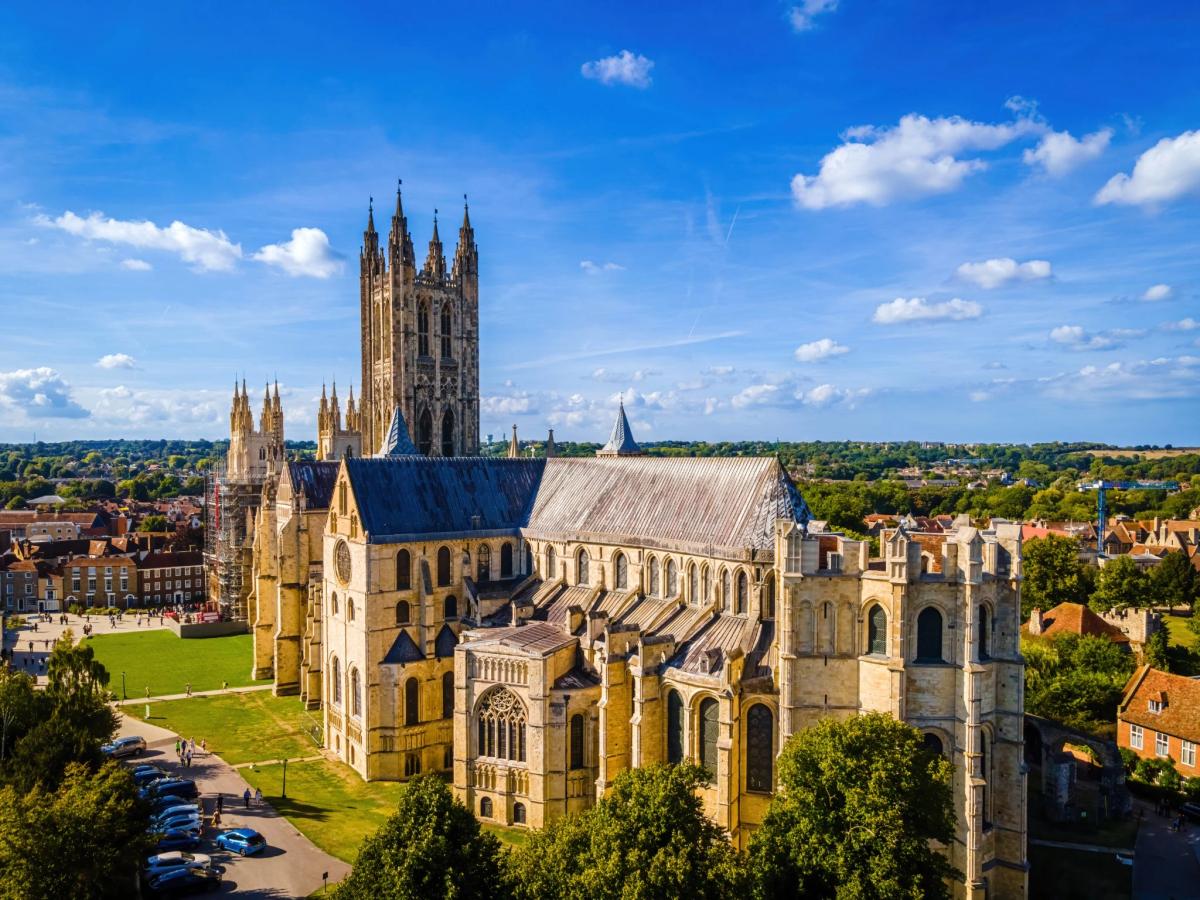
A fifteen-day pilgrimage through Ireland, Scotland, and England, following the saints, sites, stones, and stories of our Celtic and Anglican Christian heritage. Hosted by The Episcopal Church of the Transfiguration, Vail Valley, and led by Father Brooks Keith with special guest the Rev. Canon C.K. Robertson, Ph.D.
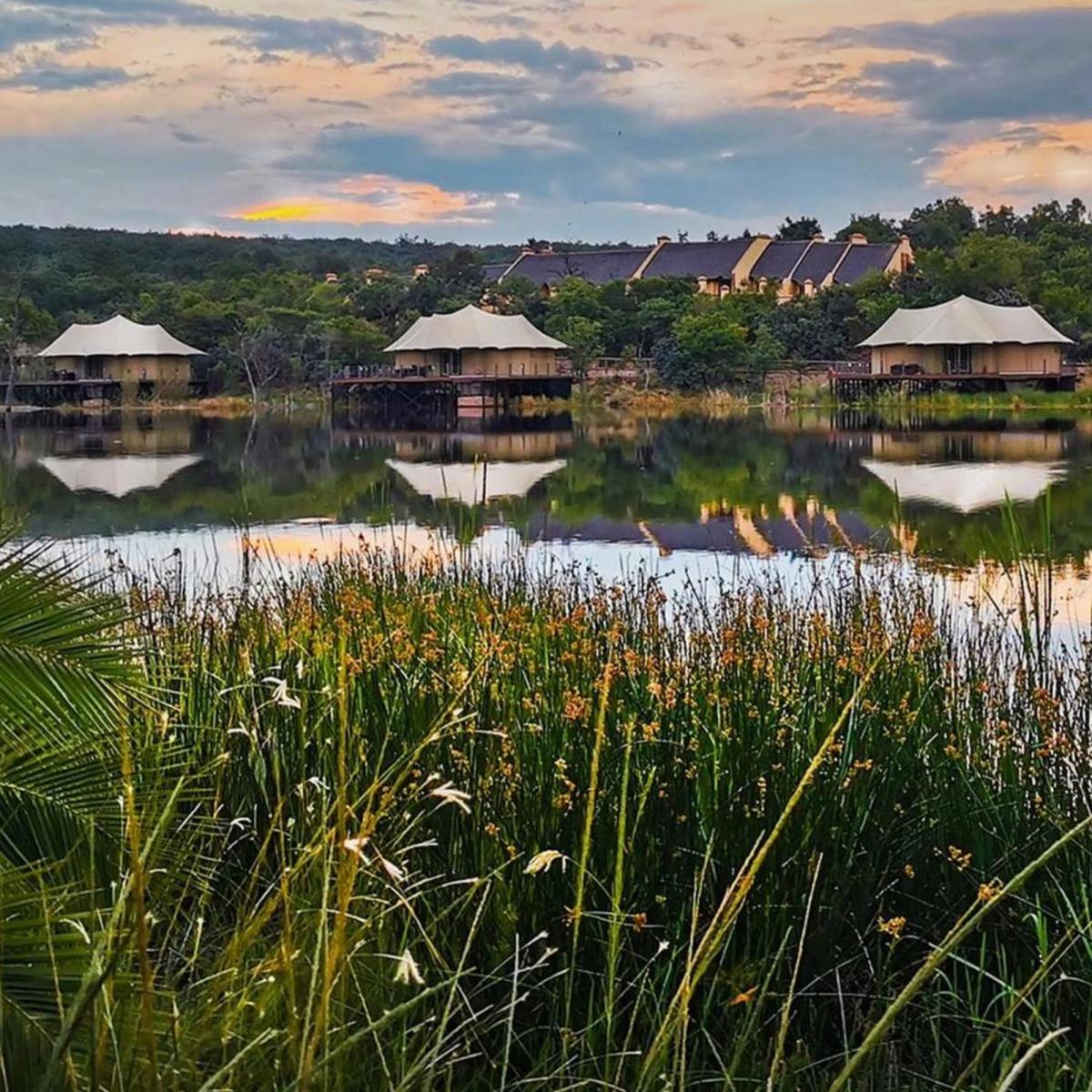
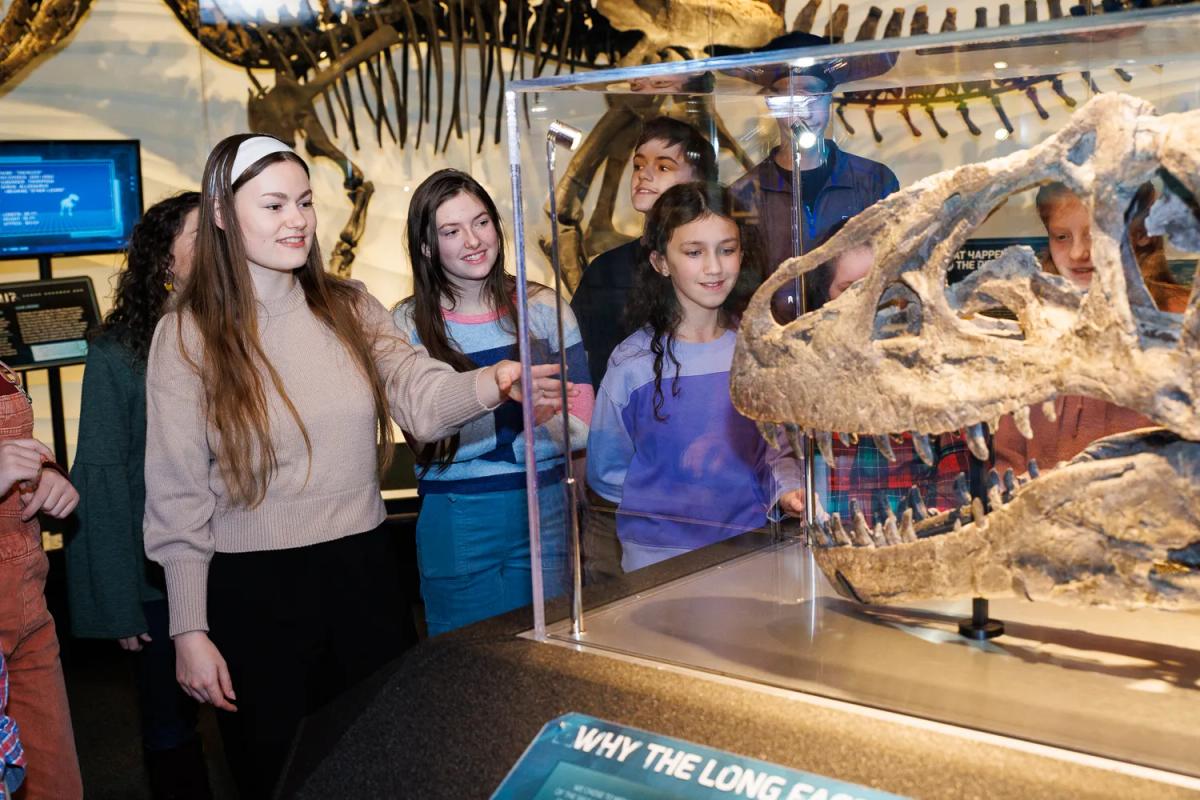
Inspire Guided Tours offers 90-minute, family-friendly guided experiences at the Creation Museum at 2800 Bullittsburg Church Rd, Petersburg, KY 41080. Our guides help guests understand key exhibits through a Scripture-first lens-connecting what you see to the truth of God’s Word in a clear, engaging way.
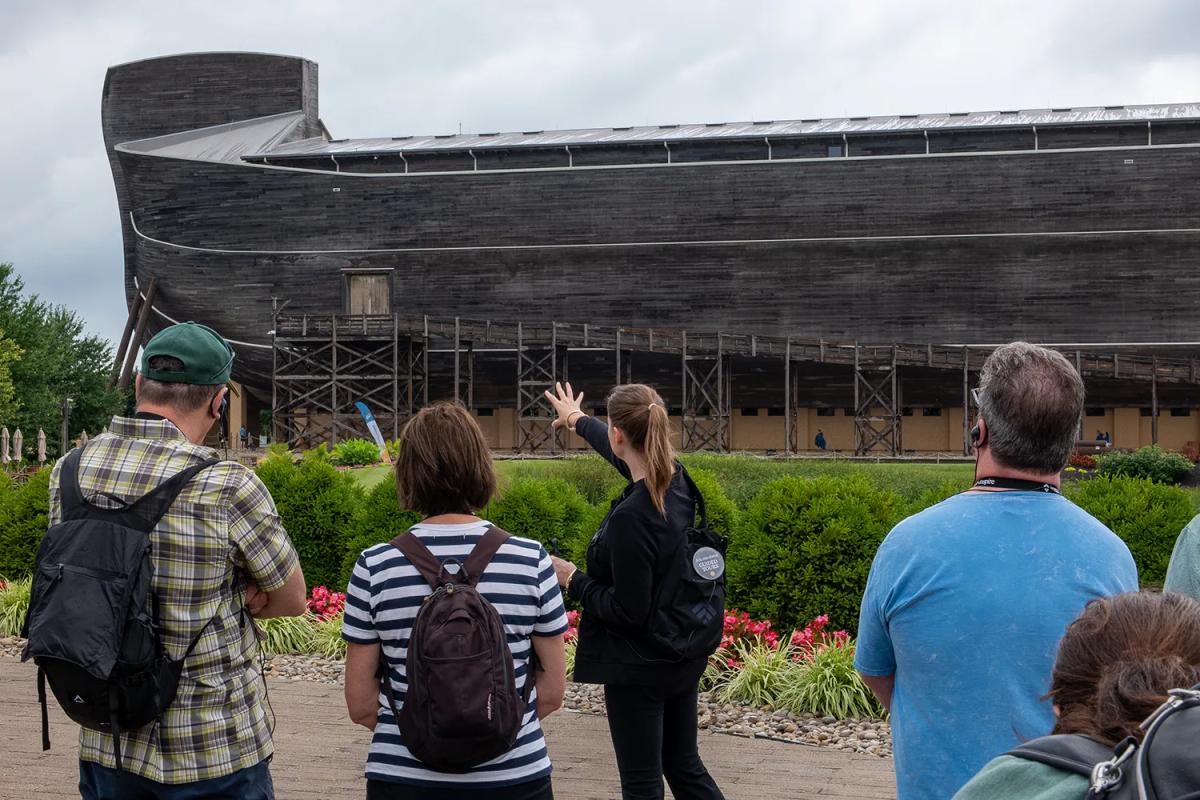
Inspire Guided Tours offers 90-minute, family-friendly guided experiences at the Ark Encounter at 1 Ark Encounter Drive, Williamstown, KY 41097. Our guides help guests understand key exhibits through a Scripture-first lens—connecting what you see to the truth of God's Word in a clear, engaging way.
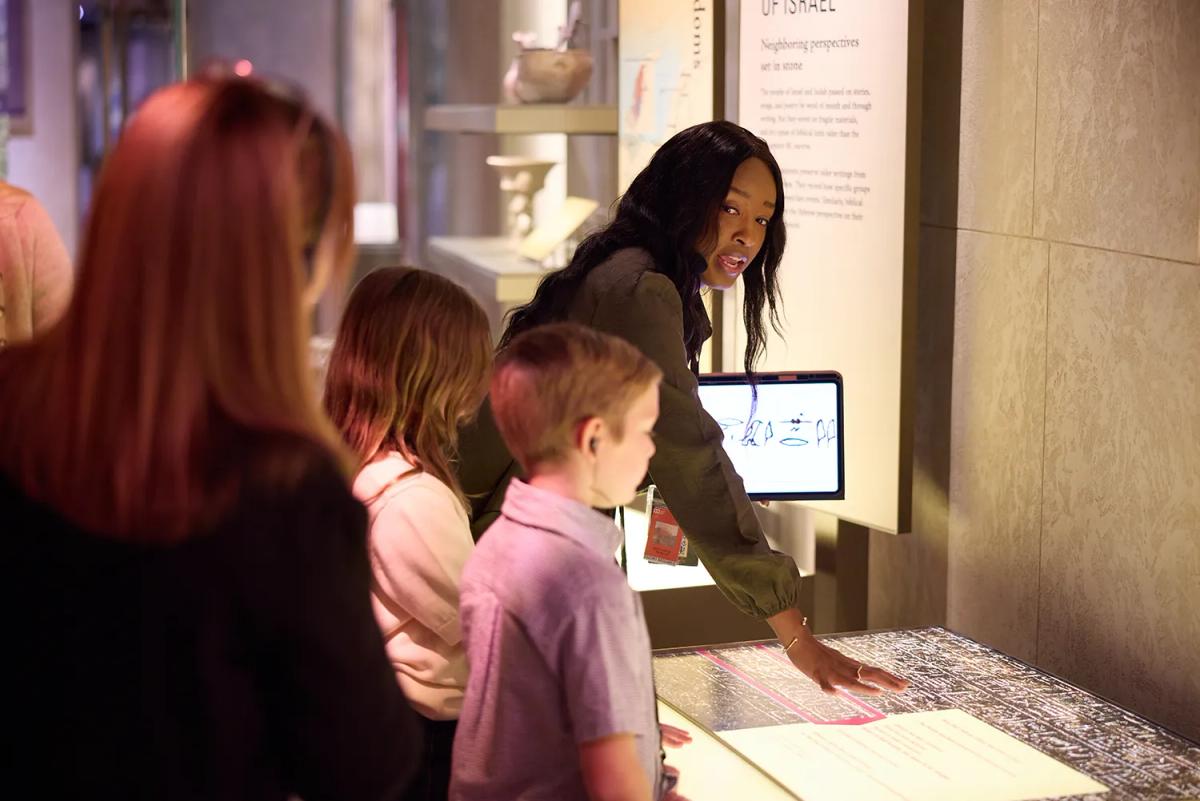
Experience the Museum of the Bible like never before with Inspire's expert-led guided tours in Washington, D.C. Discover the history, impact, and story of the Bible through engaging, Christ-centered experiences designed to deepen your confidence in God's Word.